



.jpg)


Mongolian Rivers and Lakes
Mongolian lakes and rivers
Mongolian lakes and rivers are bodies of water located within the geographical boundaries of Mongolia, a landlocked country in East Asia. These natural features play crucial roles in the country's ecology, economy, culture, and daily life of its inhabitants.

Lakes:
Mongolian lakes are bodies of water that are typically surrounded by land, varying in size from small ponds to vast expanses. These lakes can be freshwater or saline and may be formed through various geological processes, including tectonic activity, volcanic eruptions, or glacial activity. Mongolian lakes serve as habitats for diverse flora and fauna, provide water for drinking, irrigation, and livestock, support fishing industries, and offer recreational opportunities such as boating, swimming, and camping. They are also culturally significant, often featuring in folklore, traditions, and nomadic lifestyles.
- Uvs Lake:
- Located in the western part of Mongolia.
- UNESCO World Heritage Site.
- It's the largest lake in Mongolia by surface area.
- Part of the Uvs Nuur Basin, a transboundary basin shared with Russia.
- Important for migratory birds and biodiversity.
- Khövsgöl Lake:
- Situated in the northern part of Mongolia near the Russian border.
- Often referred to as the "Blue Pearl of Mongolia."
- One of the largest freshwater lakes in Mongolia and one of the 17 ancient lakes globally.
- Renowned for its stunning scenery and biodiversity.
- A major tourist attraction for activities like hiking, horse riding, and boating.

- Terkhiin Tsagaan Lake (White Lake):
- Located in the Khangai Mountains in central Mongolia.
- Formed by volcanic eruptions.
- Offers beautiful landscapes and is a popular tourist destination.
- The lake is known for fishing and camping activities.
- Ögii Lake:
- Situated in the Arkhangai Province of central Mongolia.
- A large freshwater lake known for its birdlife.
- Popular for fishing, especially for perch and pike.
- Khar-Us Lake:
- Located in the western part of Mongolia.
- One of the largest lakes in Mongolia.
- Part of the Great Lakes Depression, along with Uvs Lake and Khyargas Lake.
- Home to various bird species and supports local communities with fishing.
Rivers:
Mongolian rivers are flowing bodies of water characterized by a continuous stream of water from their source to their mouth, where they may discharge into lakes, seas, or other rivers. These rivers originate from glaciers, mountain springs, or precipitation runoff and flow through various landscapes, including mountains, steppes, and deserts. Mongolian rivers play vital roles in providing water for agriculture, industry, and human consumption, supporting biodiversity, facilitating transportation, and shaping the geography of the region. They are essential for sustaining ecosystems, supporting livelihoods, and influencing the development of settlements and infrastructure along their banks.
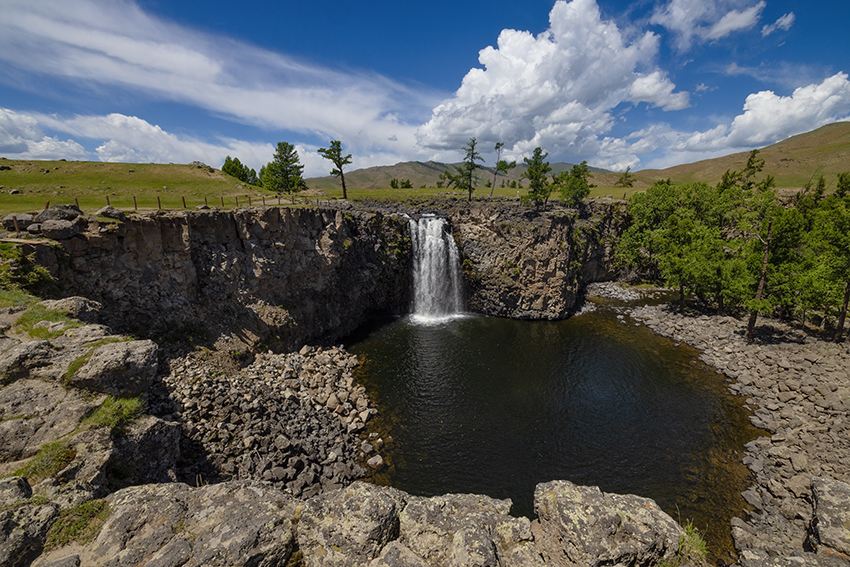
- Orkhon River:
- One of the longest rivers in Mongolia.
- Flows through the Orkhon Valley, a UNESCO World Heritage Site.
- Historically significant, with many ancient sites along its banks.
- A major tributary of the Selenge River.
- Selenge River:
- The largest river in Mongolia by discharge.
- Flows through northern Mongolia and eventually into Russia, where it joins the Yenisei River.
- Plays a crucial role in the country's hydrology and supports agriculture.
- Eg River:
- Flows through the eastern part of Mongolia.
- A significant tributary of the Amur River, which forms part of the border between Mongolia and Russia.
- Provides water for irrigation and supports local communities.
- Tuul River:
- Flows through the capital city, Ulaanbaatar.
- One of the most important rivers in Mongolia in terms of human settlement and activity.
- Provides water for drinking, agriculture, and industry in the capital region.
- Onon River:
- Originates in the Khentii Mountains in eastern Mongolia.
- Historically significant as it is believed to be the birthplace of Genghis Khan.
- Flows into the Ingoda River in Russia, which is a tributary of the Amur River.
These lakes and rivers are not only vital for the ecology of Mongolia but also hold cultural and economic significance for the communities living around them.


