



.jpg)

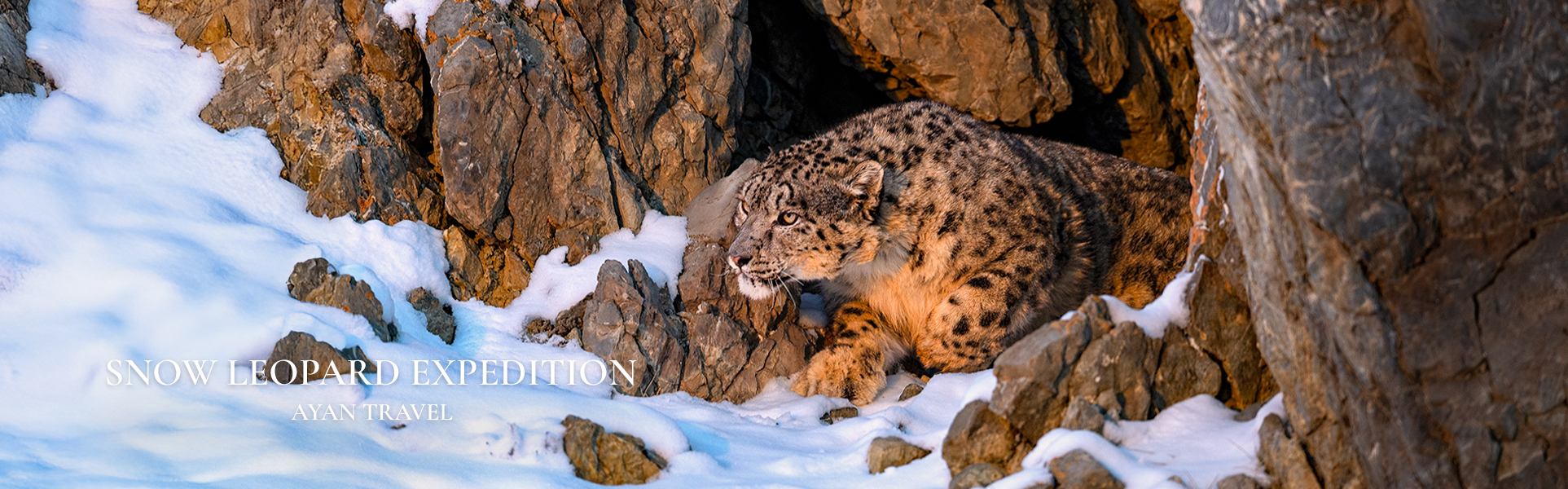
Snow Leopard Expedition in Mongolia

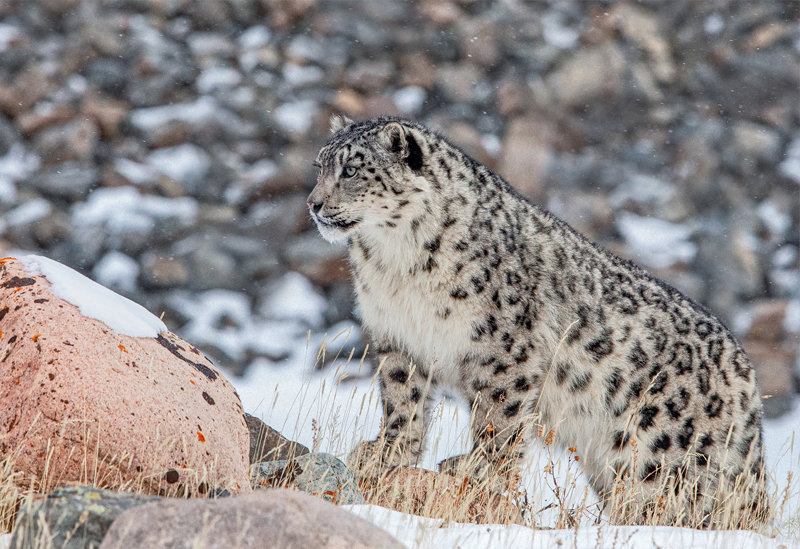
A snow leopard photography expedition in Mongolia’s Altai Mountains — built around years of tracking experience, local knowledge, and patience in one of the last true snow leopard landscapes on Earth.
Unlike conventional wildlife tours, this expedition follows real conditions in the mountains. Time in the field depends on wildlife movement, weather, and terrain, alongside experienced local trackers and our long-term partners who know these mountains intimately.
Snow leopard encounters can never be guaranteed. However, our expeditions have consistently achieved strong results in recent seasons, with sighting success rates of over 85%.
Winter is the best time to observe and photograph snow leopards. During this season, the cats move to lower elevations, and their thick winter coat makes them especially striking to photograph.
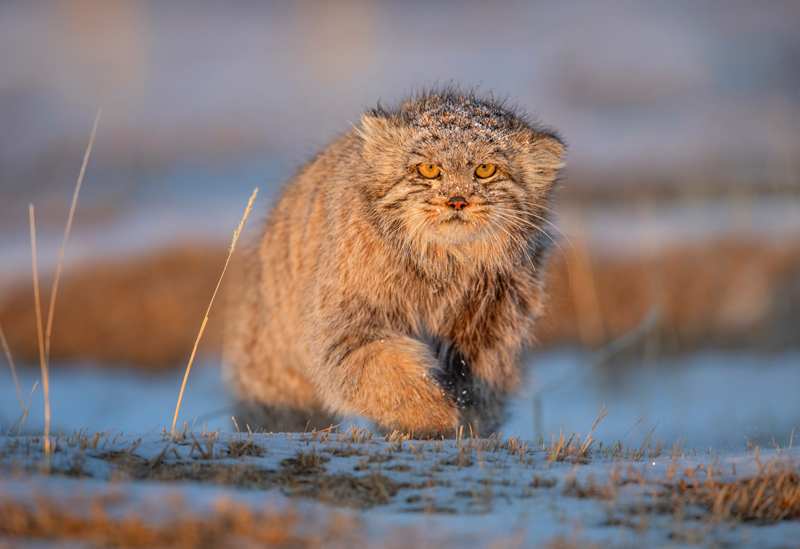
The journey also extends beyond snow leopards. Part of the expedition moves into a different habitat known for Pallas’s cat, where sightings and photography opportunities are often far more reliable.
This small-group expedition is designed for wildlife enthusiasts, photographers, and travelers who value real field experience over comfort and fixed schedules.
INSIDE THIS SNOW LEOPARD EXPEDITION
This snow leopard expedition in Mongolia is rooted in years of fieldwork by Ayan Travel's founder and Mongolian photographer Batzaya Choijiljav, whose snow leopard photography later became a large-format photography book published under the National Geographic brand.
Over the years, he has worked closely with local trackers, herders, and remote mountain communities across western Mongolia, building long-term partnerships and a deep familiarity with snow leopard habitat in the Altai Mountains.
Through years of working alongside photographers in the field, local guides and tracking teams have also developed a strong understanding of positioning, light, distance, and animal behavior, helping guests make the most of photography opportunities whenever conditions allow.
FIELD CONDITIONS IN THE ALTAI MOUNTAINS
This is not a fixed-schedule wildlife tour. Conditions in the Altai Mountains can change quickly, and time in the field depends on weather, wildlife movement, and snow conditions.
Temperature
-15°C to -30°C
Activity Level
Moderate to challenging
Field Time
5–8 hours of daily observation and scanning
Terrain
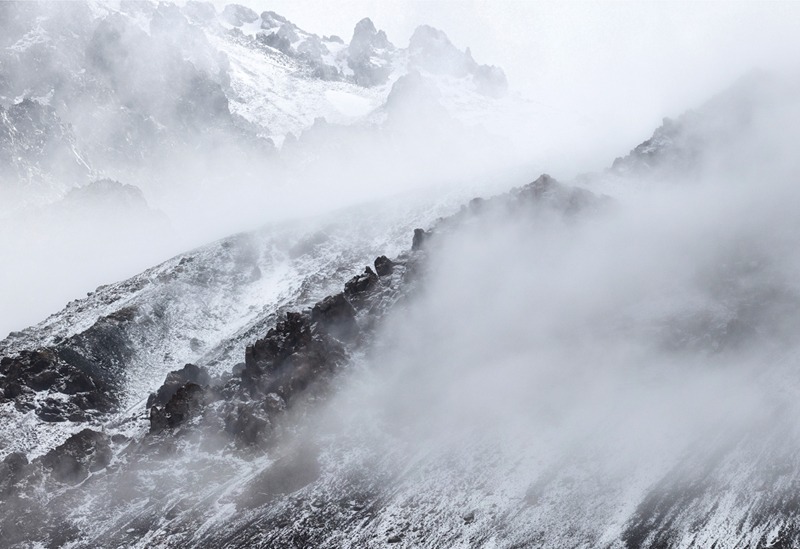
Rocky ridgelines, mountain slopes, and snow-covered valleys
Accommodation
Local hotels and simple winter field camps
Altitude
Approximately 2,000–3,500 meters
Patience is an important part of snow leopard tracking, and long periods without sightings are always possible. Some days in the mountains are quiet, while others can change quickly when fresh tracks or movement are found.
Highlights
• Snow leopard tracking and photography in the Altai Mountains
• Experienced local tracking teams and remote winter camps
• Strong opportunities to photograph Pallas’s cat
• Small-group expedition focused on real field conditions
• Landscapes and mountain regions rarely visited in winter

Tour Itinerary

Day 1.
Fly with your expedition guide from Ulaanbaatar to western Mongolia, where a local driver will meet the group on arrival. The rest of the day is spent settling in and making final preparations before heading into the mountains the following day.
Accommodation: Local hotel. Meals: Lunch, Dinner
Day 2
Travel deep into the Altai Mountains as roads gradually disappear behind you and the landscape opens into remote snow leopard country. By afternoon, arrive at the field base and settle into camp surrounded by rugged winter terrain. If conditions allow, the afternoon may include a short introduction to the surrounding habitat and the first time scanning the mountains for wildlife signs.
Accommodation: Traditional ger camp. Meals: Full board
Day 3-8
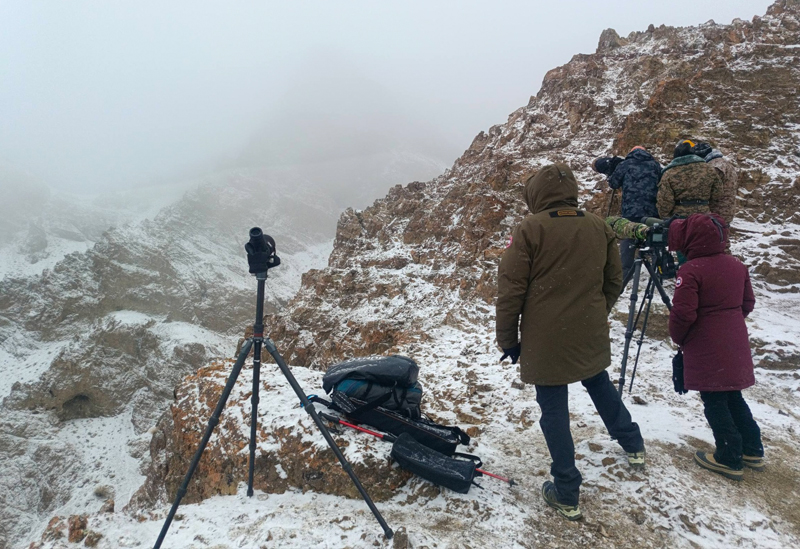
These are the core days of the expedition. Mornings begin before sunrise, scanning ridgelines and rocky slopes with binoculars and spotting scopes alongside experienced local trackers.
Some days are spent waiting quietly from distant vantage points. Others involve moving across valleys and ridges when fresh signs are found. Wildlife movement, weather, and light conditions can change quickly, requiring patience and flexibility throughout the journey.
Snow leopard encounters are often brief and unpredictable. For photographers, opportunities are often brief, requiring patience and quick reactions in the field.
Accommodation: Traditional ger camp. Meals: Full board
Day 9
Spend a final morning in the mountains before leaving snow leopard habitat and driving toward Khovd town. After several days in the field, the return journey offers time to rest and review photographs from the expedition.
Accommodation: Local hotel. Meals: Full board
Day 10
Travel across western Mongolia into a different habitat as the landscape gradually changes beyond the snow leopard range. Spend time with a Kazakh eagle hunter family and experience a tradition that remains part of daily life in the region.
Accommodation: Eagle hunter host family. Meals: Full board
Day 11
Search for Pallas’s cat in known habitat areas with the local team. Compared to snow leopard tracking, sightings here are often more reliable, creating another rewarding opportunity for wildlife observation and photography. Later in the day, return to town for the final overnight stay of the expedition.
Accommodation: Local hotel. Meals: Full board
Day 12
Flight back to Ulaanbaatar and end of the expedition after days spent in the remote mountains of Mongolia.
Meals: Breakfast
Prices & Inclusions
Limited departures each winter season.
Small groups only.
| Group size | Price/Per person |
| 3-4 pax | $6590 |
| 5-6 PAX | $5690 |
| 7-8 PAX | $4790 |
Includes
• Accommodation: Local hotels, Ger camps in the field
• All meals throughout the expedition
• Professional guide and translator
• Experienced local trackers and rangers
• Domestic flights within Mongolia
• 4×4 transportation in remote regions
Not Includes
• International airfare
• Personal equipment
• Single room supplement
• Excess baggage charges (15kg allowance)
• Alcoholic drinks
• Travel and health insurance
* Due to the remote nature of this expedition, travel insurance is strongly recommended.


