



.jpg)


10 Reasons why Swiss People Travel to Mongolia
The architecture, food, people and expected behavior were largely the same as I read about Switzerland and hear from Swiss people whom I traveled with in Mongolia. But, culture shock caught up with me as soon as I see many similar cultural and natural things to Mongolia. Without sounding unnecessarily poetic, the world in Switzerland had so much similar colors to my country there. The very environment was essentially similar and close to me. Have a short look at my comparing photographs which tells strong similarities between these two countries. I want to ask QUESTION from all of you- Did you know that the country of Alpine mountains - Switzerland and the country of steppes - Mongolia has many similarities?
1. Switzerland and Mongolia are Located in the Same Latitude


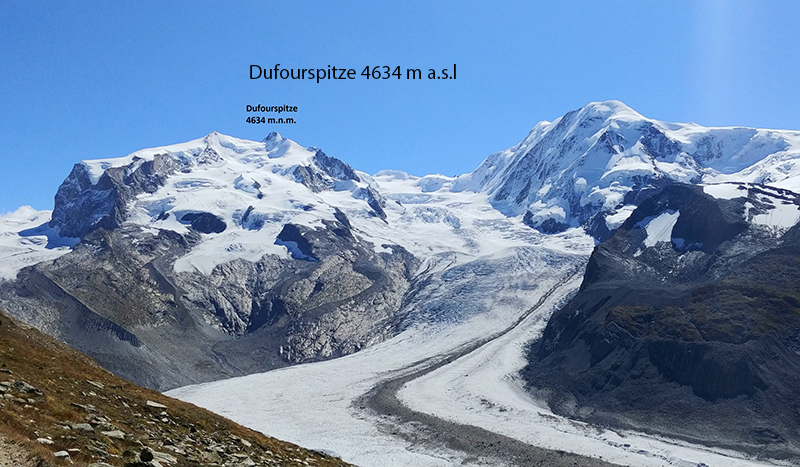
2. Switzerland and Mongolia are the Landlocked Countries
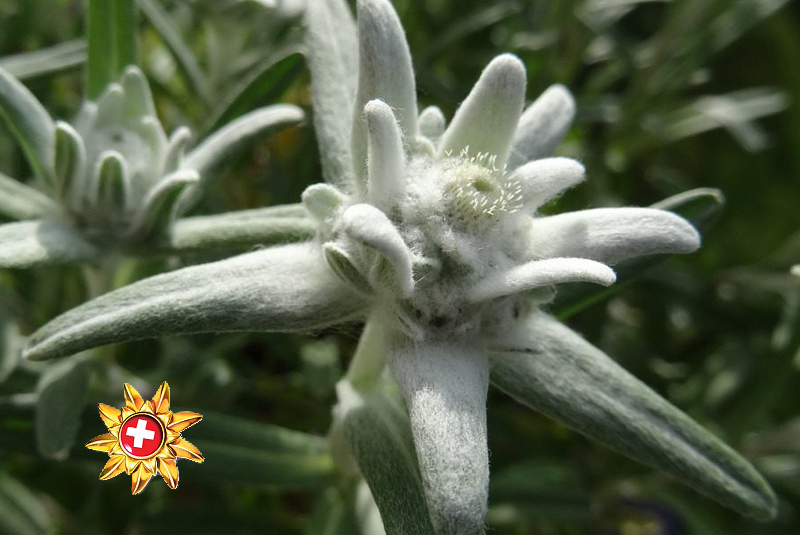
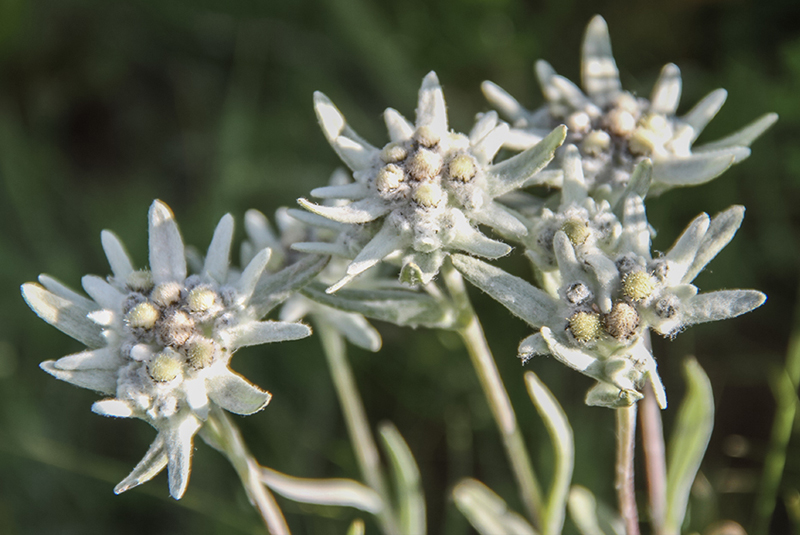
3. Swiss National Symbol of Edelweiss Flower in Mongolia
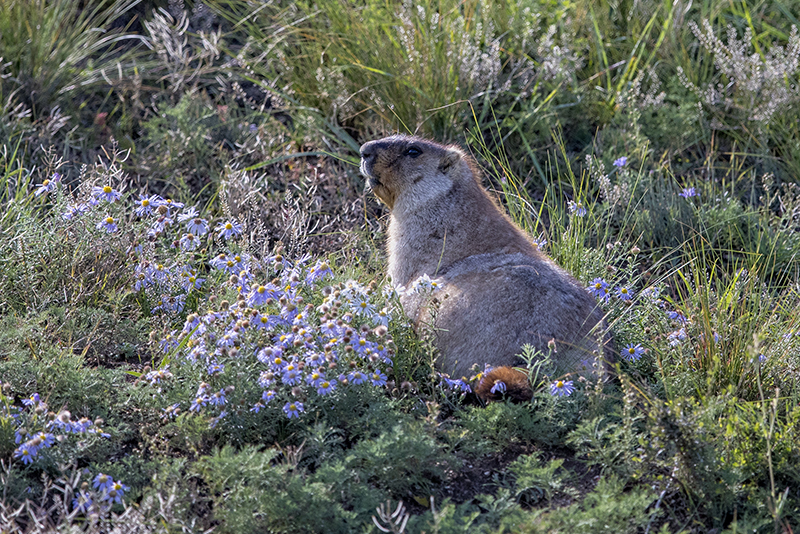
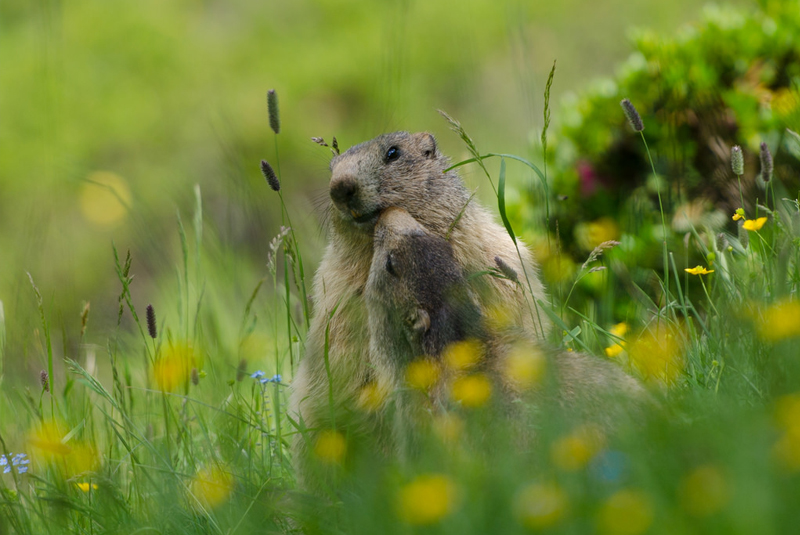
4. Marmots in Mongolia and Switzerland
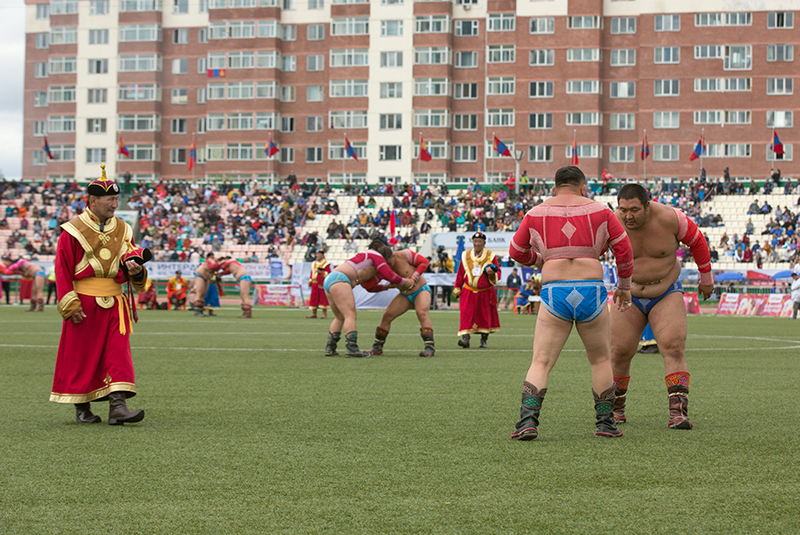
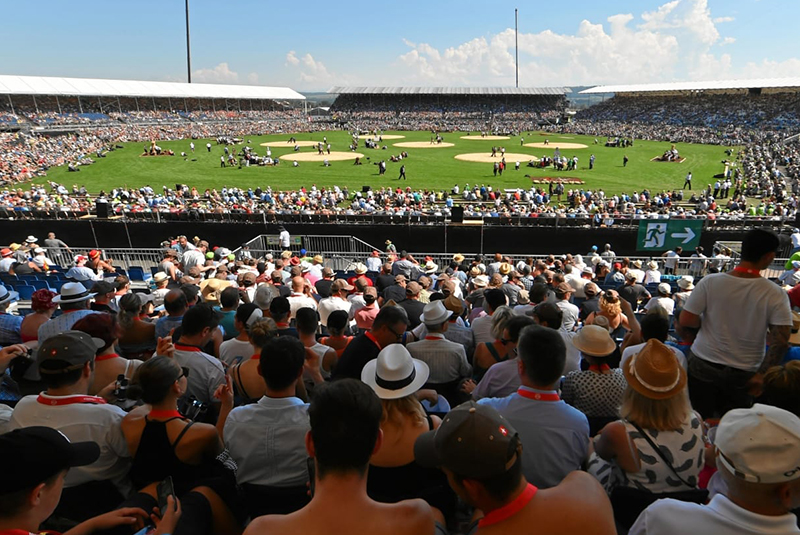
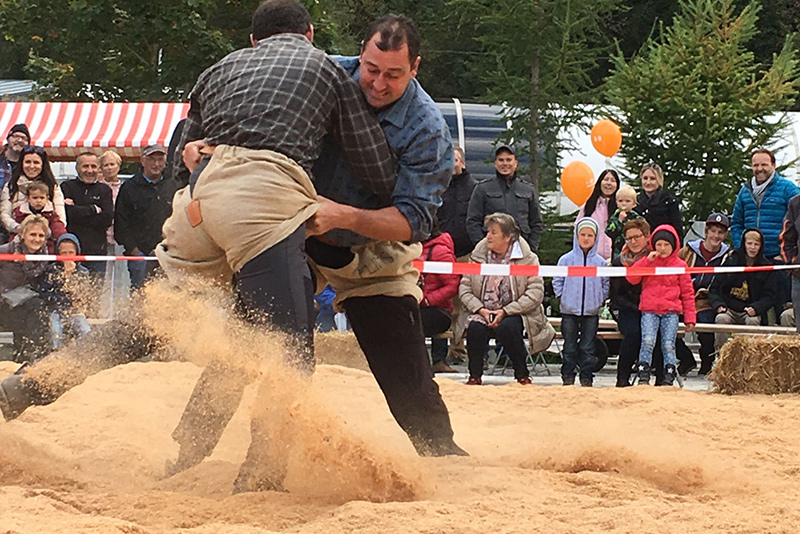
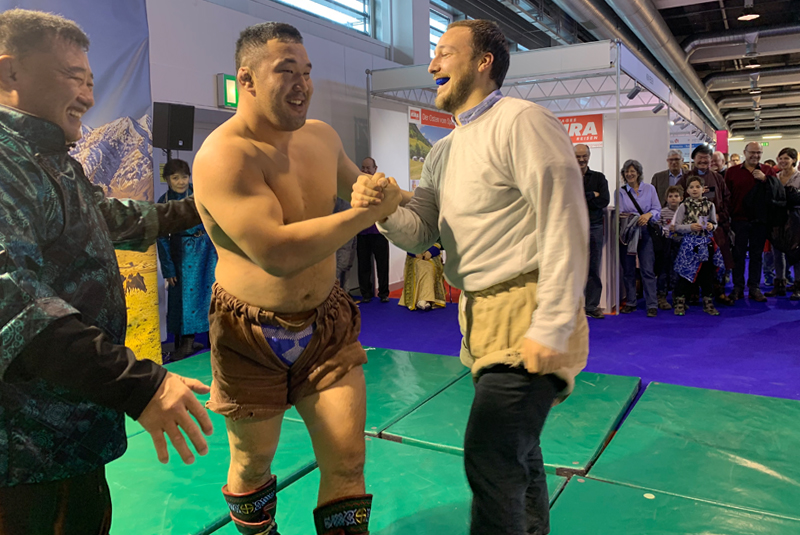
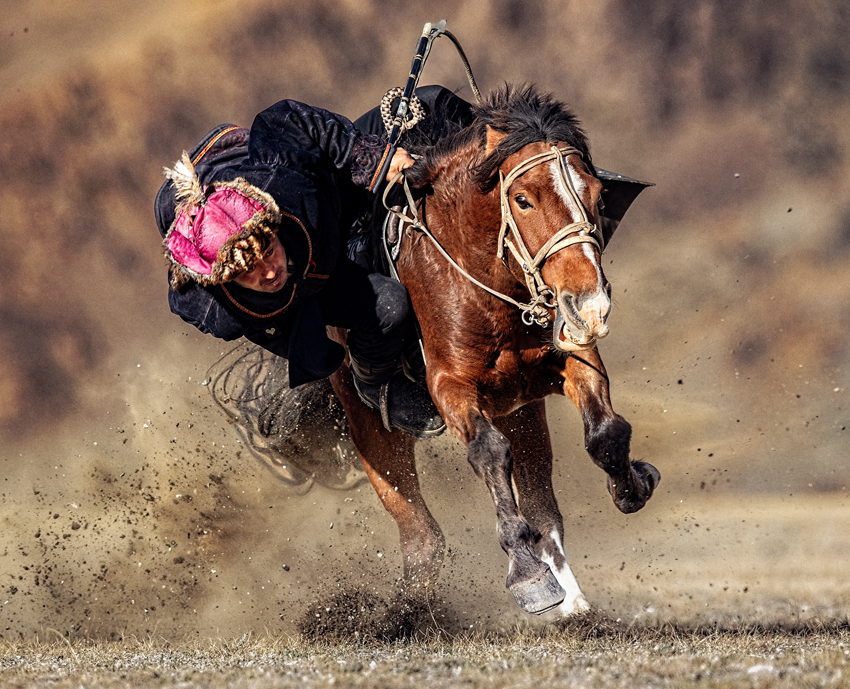
5. Mongolian and Swiss National Wrestling
Wrestling, horseracing, and archery are the three main sports of the Mongols. We enjoy these sporting game during our National Naadam Festival. Switzerland has also traditional wrestling and is known as Schwingen.
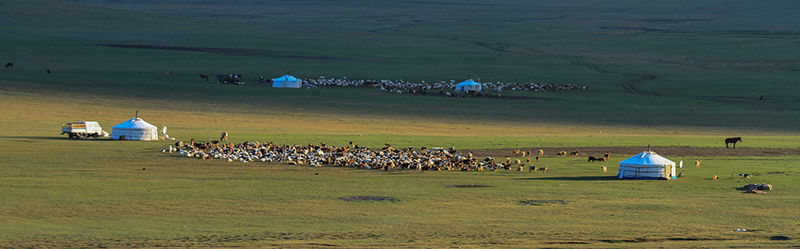
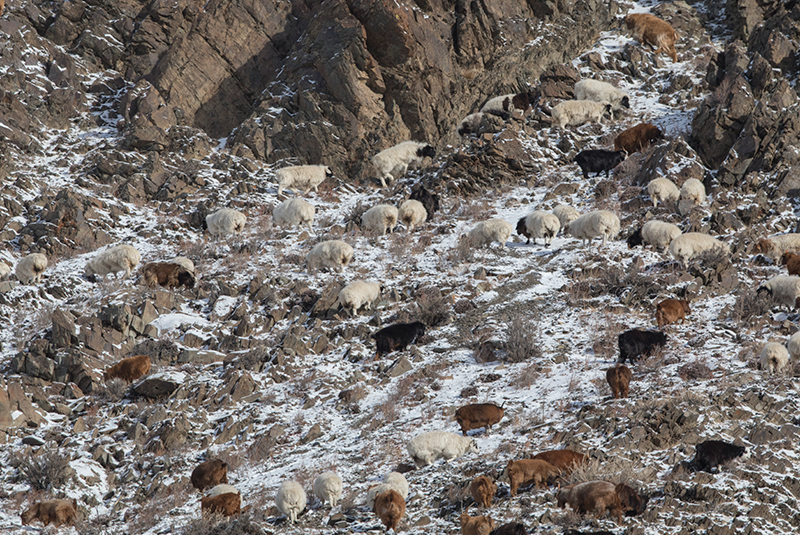
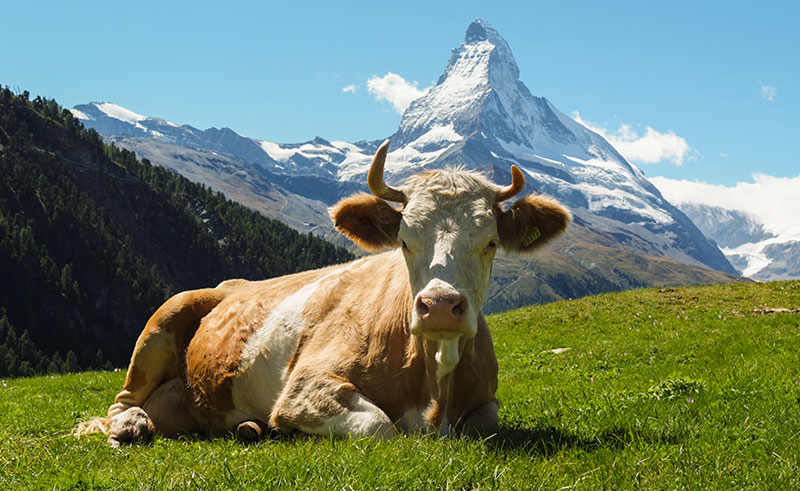
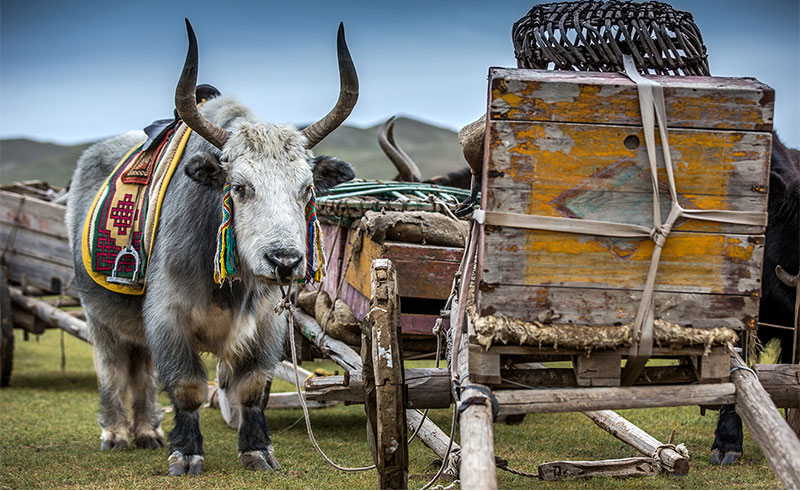
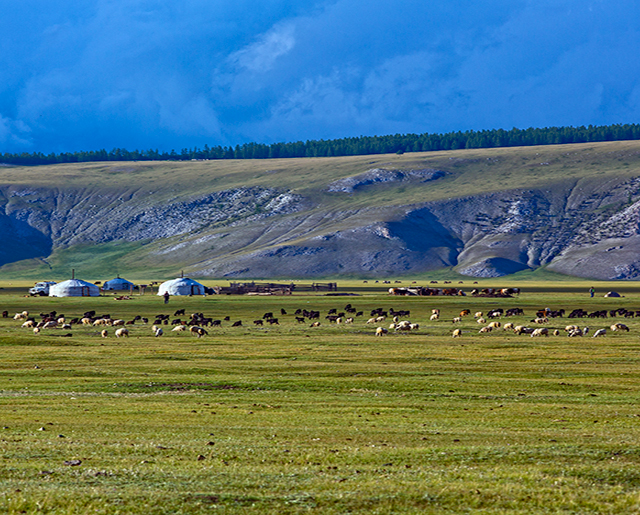
6. Livestock in Switzerland and Mongolia

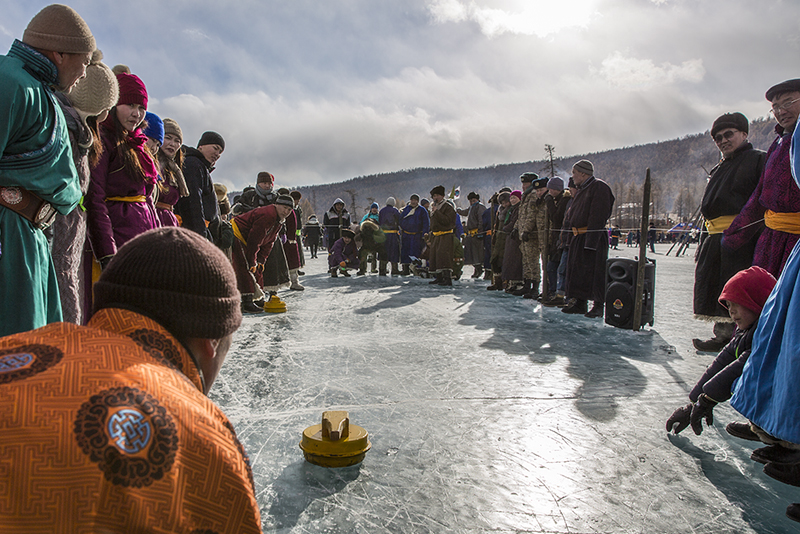
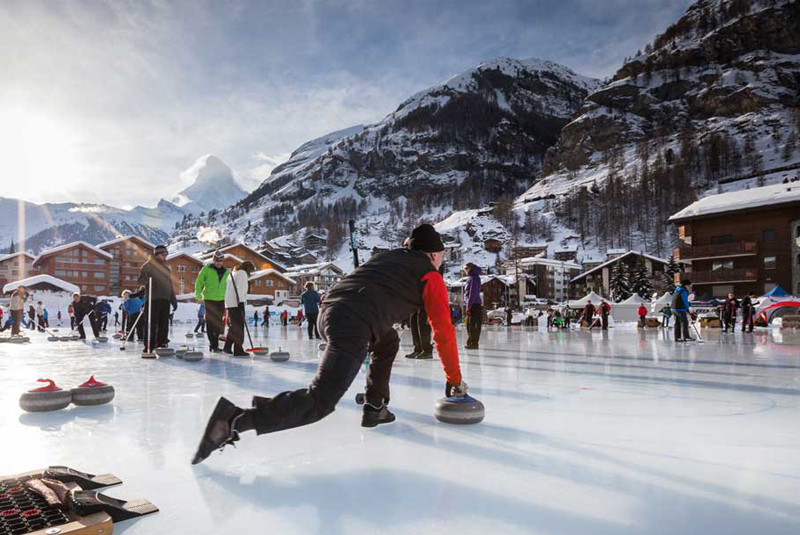
7 Curling Sport in Switzerland and Ice Curling Game in Mongolia
According to the "Secret History of The Mongols" / epic chronicle of the thirteenth century/, Great Chinggis Khaan played ice game which is similar to Switzerland curling, with his friend Jamukha. While the origin of curling traces back to the 16th century, ice game in Mongolian history connects much earlier than the 13th century. Nomadic Mongols’ winter game was played on frozen rivers and lakes just like curling in its early days. Kids, youths, and elders all used to gather on frozen ponds or rivers to challenge their abilities on-ice shooting and targeting. While Switzerland is considered as hard competitor in international curling competitions and Olympics, Mongolians have been strongly regaining traditional ice games along with curling sport in Mongolia.
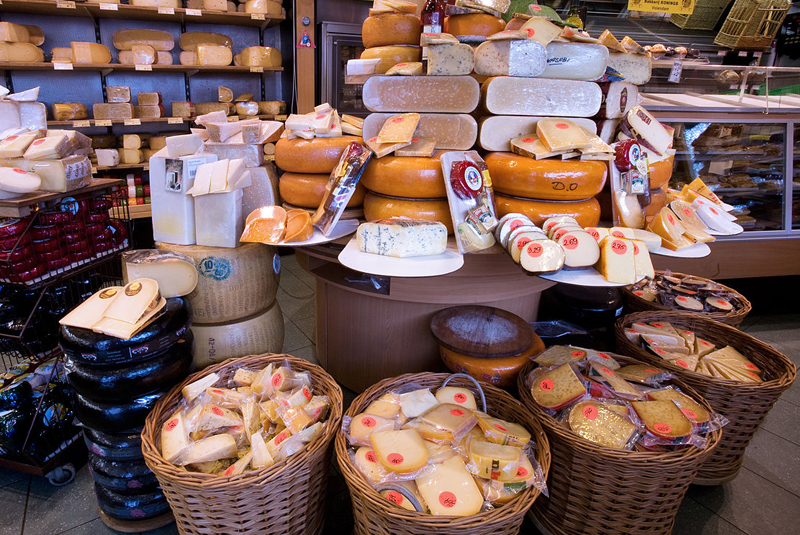
8. Dairy Product Consumption in Mongolia and Switzerland
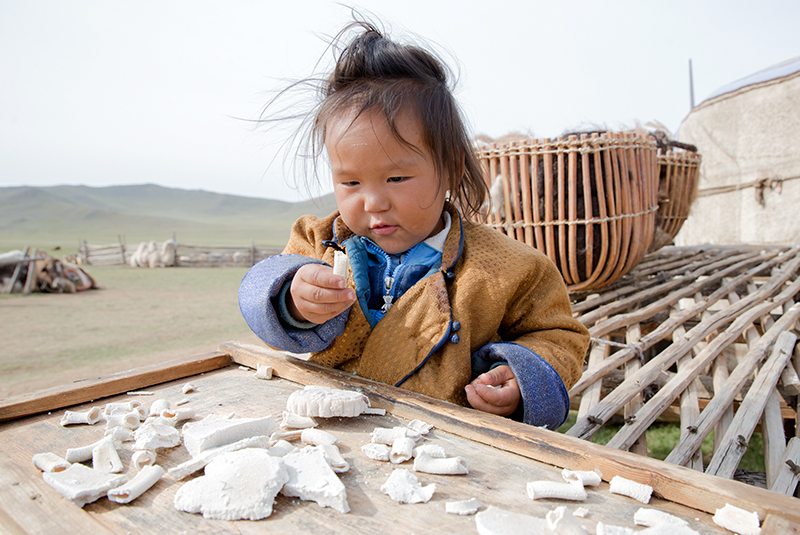
9. Mongolia and Switzerland are The Safest Countries in the World
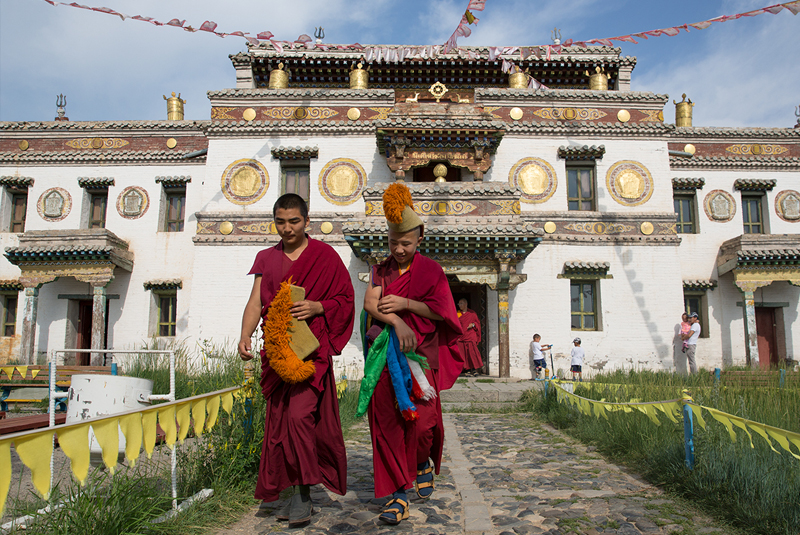
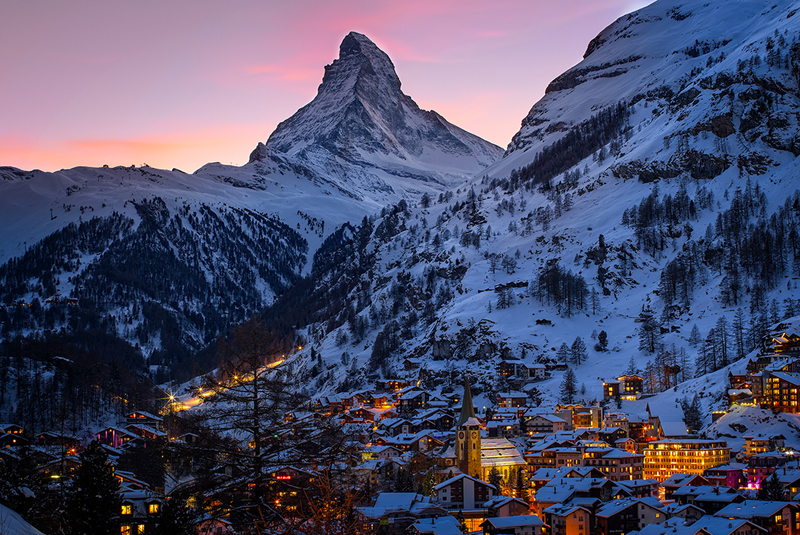
10. The Tourism Sector in Mongolia and Switzerland
Switzerland receives approximately 11 million people annually (statistics in 2017). Revenue from tourists amounted to approximately 16 billion francs ($1.59 billion) and 4.4 percent of the main export market while Mongolia receives 529,370 tourists in 2018, with revenue from tourism totaling USD 569,542,966 million and 29.6 percent has grown from last year. We have the opportunity to open the Swiss market and become the leading markets in Mongolia.

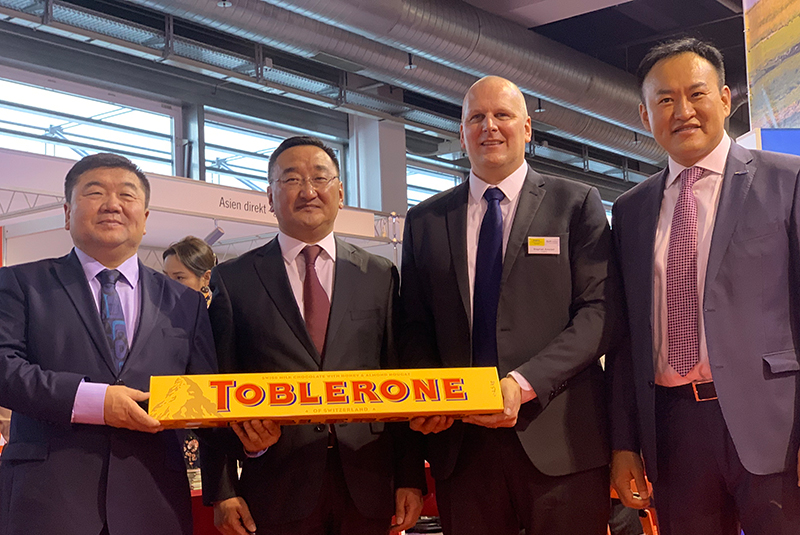
Travel Mongolia from Switzerland?- To travel is to discover that everyone is wrong about other countries
The distance between Switzerland and Mongolia, it is 6776 km and the road distance is about 8777.8 km. The quickest way for getting to Mongolia from Switzerland is to fly but there is no direct flight from Zurich Airport to Chinggis Khan Int’l Airport. The quickest flight may take about 11 hours which has one stopover from Moscow, Turkey, Seoul, Beijing, and Berlin. If you want to travel to Mongolia, you will need to get Mongolian visa whether you plan to have an official and private visit. For tourists to Mongolia who is planning to stay for 30 days or below do not need an invitation or other proof of intention, just prepare essential documents/ valid passport, photo,,,/ fill out application form / download Mongolian visa application form/ and pay visa fee which is approximately 80.00-250.00 Swiss Francs depending on your entries. Once you complete your documents, you will be given the visa within 3-5 working days. For more visa information, click here.

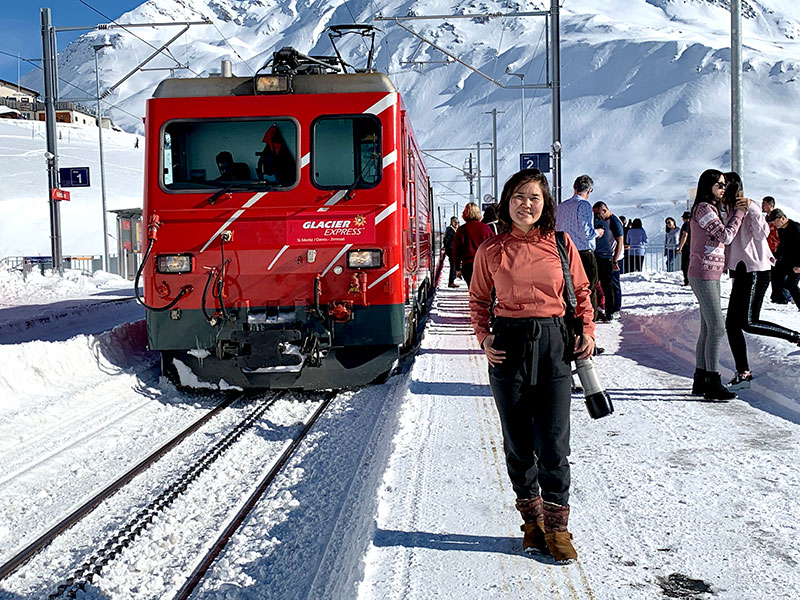
Trans-Siberian transit travel via Russia-Mongolia-China is also another option for travelers from Switzerland to Mongolia and it would be a wonderful adventure of 5-day trip. Check well your visa regime of Russia and China at respective representatives of those countries.
Strength also lies in differences
It is always great to see and understand cultures other than yours and finding out cultural similarities and differences on your own. If people say "Switzerland", Mongolians are directly aware of the Toblerone chocolate, Swiss army knives, and watches, but foreigners are well-known of Mongolians as "Nomadic People".
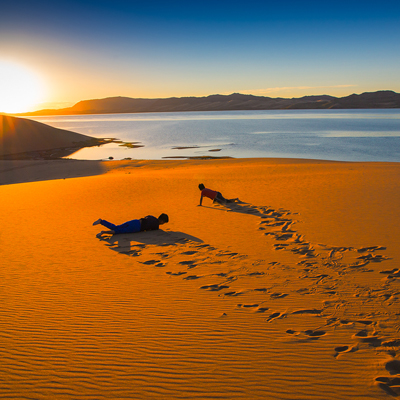
The Mongolian Gobi Desert
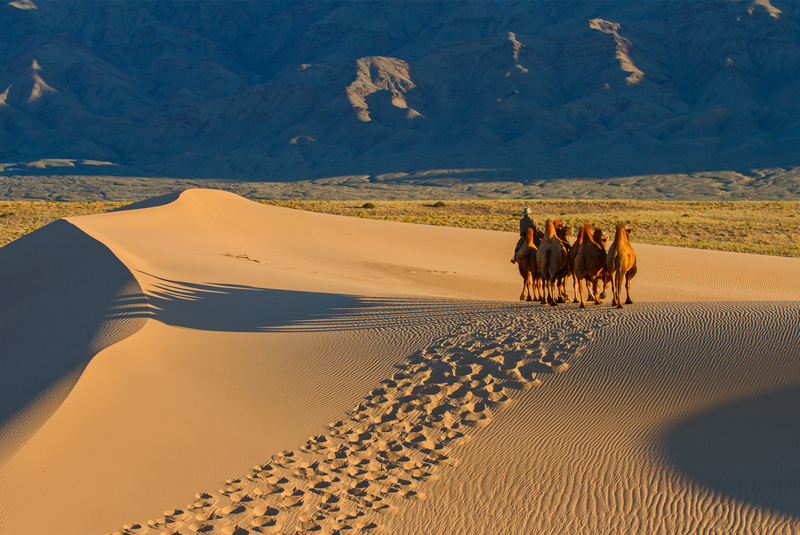
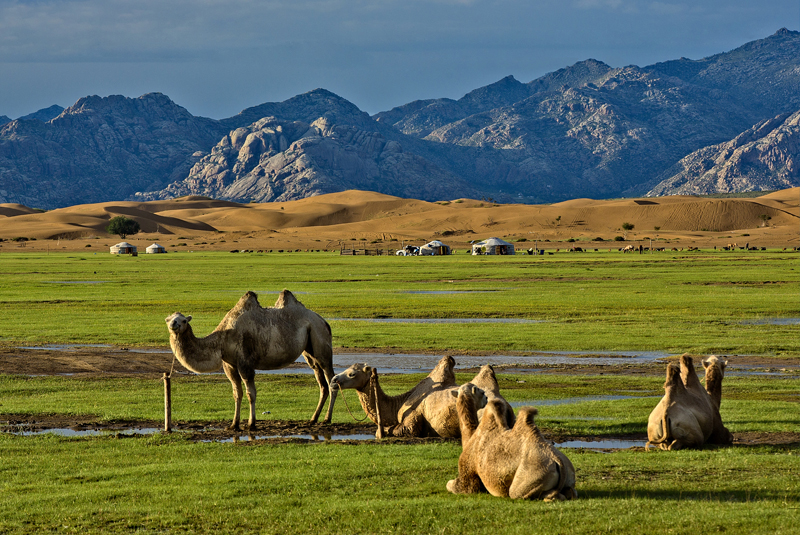
Riding camel and horse is most common and suitable transportation in the Gobi desert. Once you are in the Gobi, you must ride camels and explore the real tastes of Gobi on the hump of the camel.
The Mongolian Endless Steppe
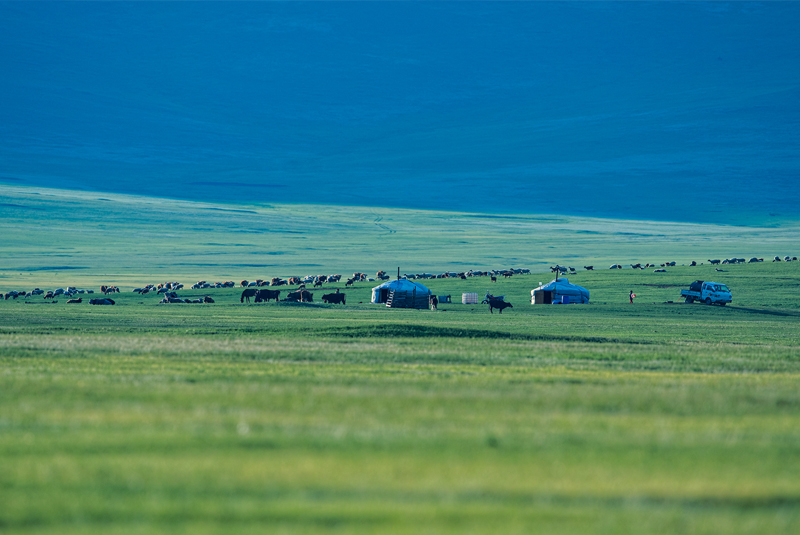
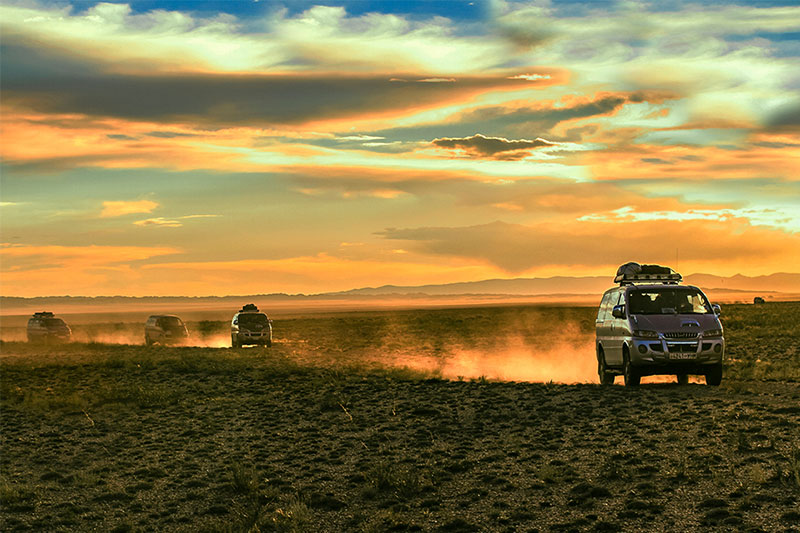
Eastern region of the country is notable as Blue sky and endless green grassland. Feel the adventure driving experience through the world’s last virgin and endless steppe under the beautiful blue sky.
Unique Culture heritage of Nomads
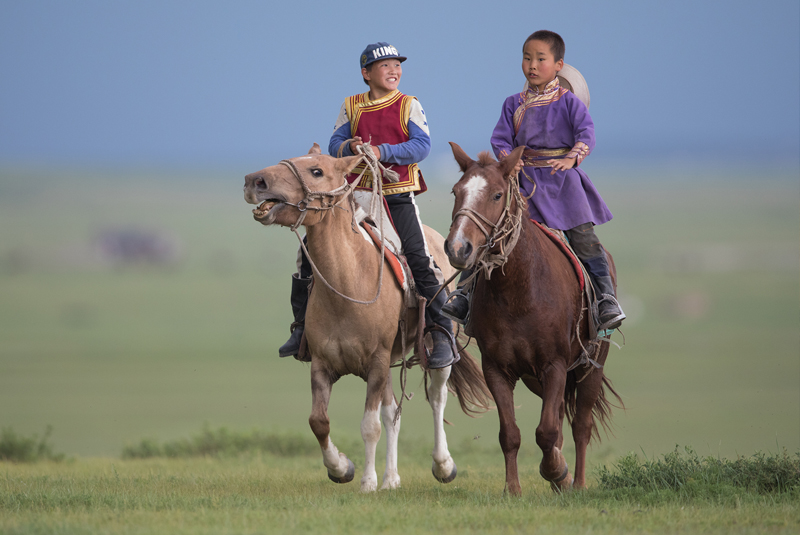
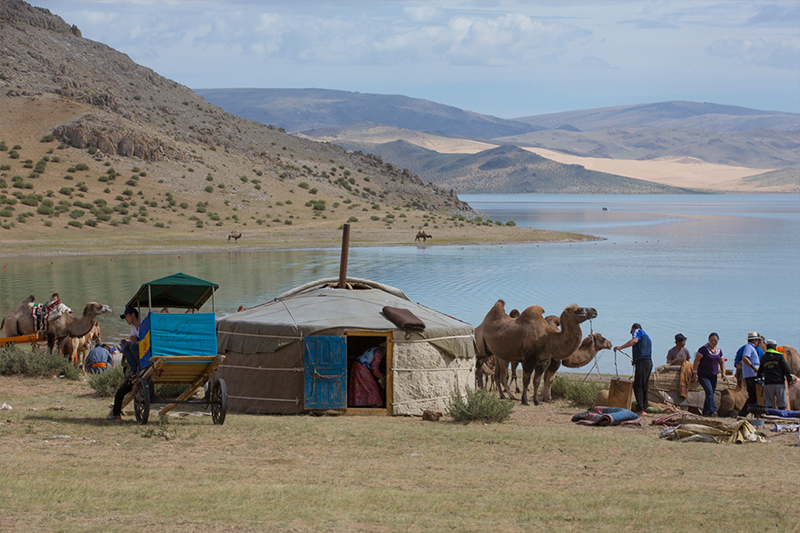
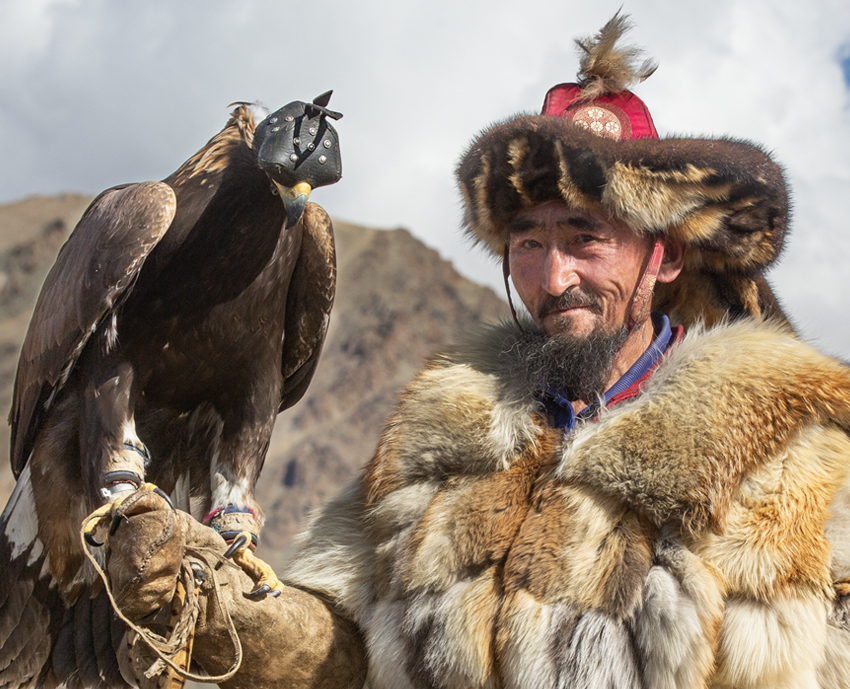
The world’s last remaining nomadic life and culture will be only found in Mongolia. You can explore and eyewitness various and rich intangible and tangible cultural and historical heritage from every corner of the country.
Amazing Wildlife
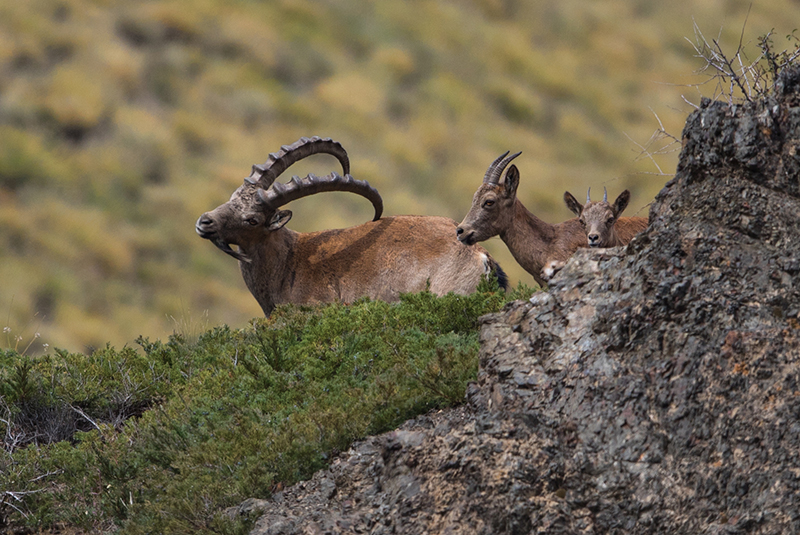
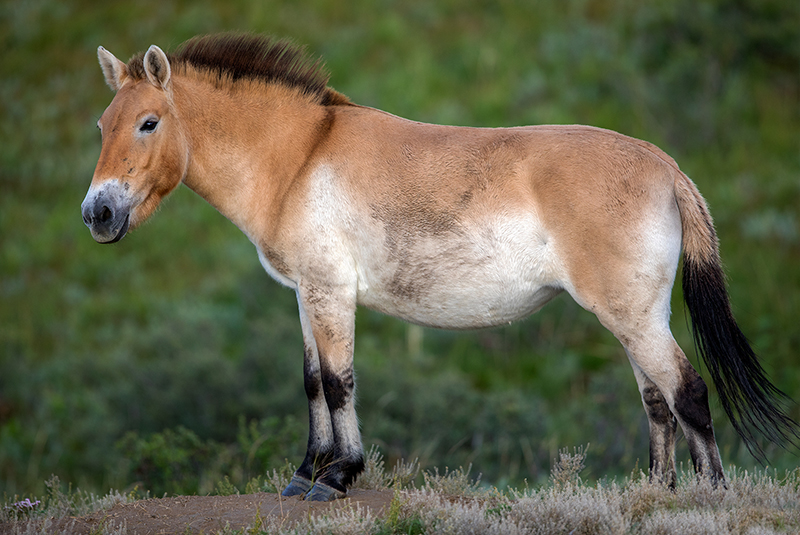
Mongolia is home to the iconic wild animals, especially endangered mammals as Gobi bear, Mongolian Argali sheep, ibex, snow leopards, wolves, antelopes, wild horses, gazelles.
Diverse Ethnic groups
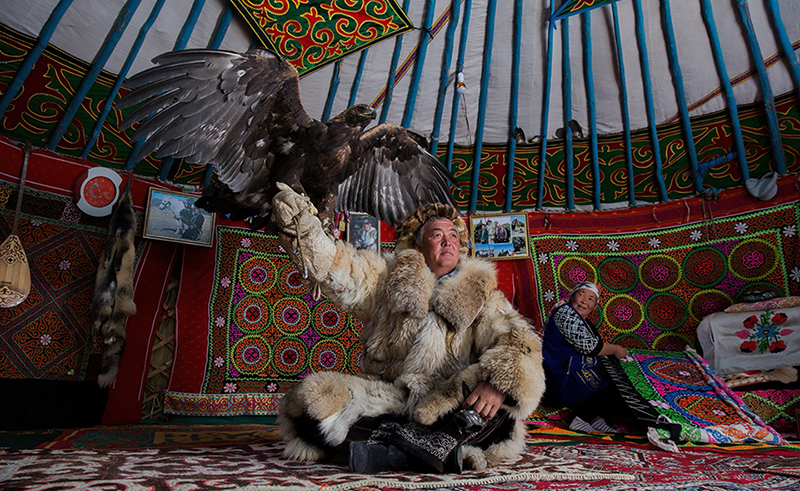
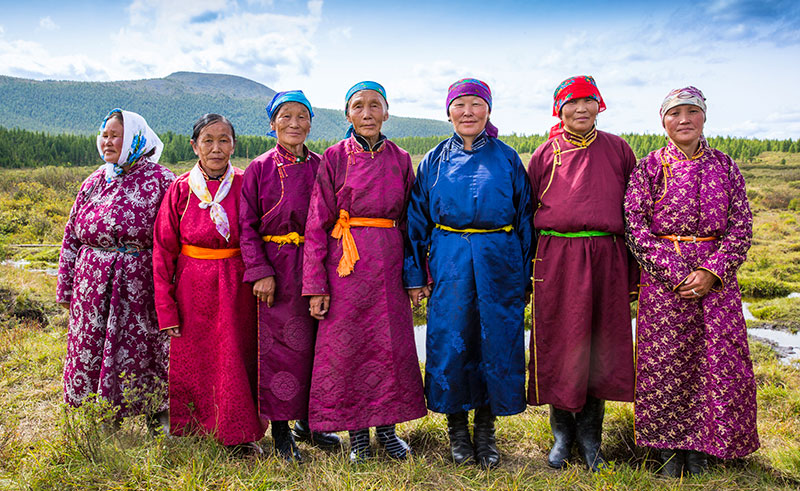
After coming back home, I realized that both Mongolians and Swiss people must travel to each other country once in their lifetime. Especially, Swiss people will definitely have a great adventure and exploring travel in Mongolia by both seeing common and different things or never explored nature settings as Gobi Desert, Mongolian famous endless steppes and unchanged life of nomadic Mongols for thousands of years.
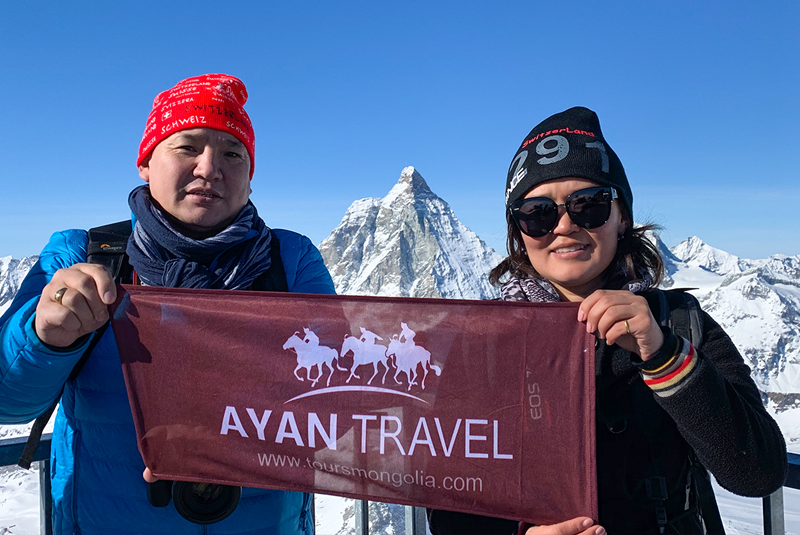
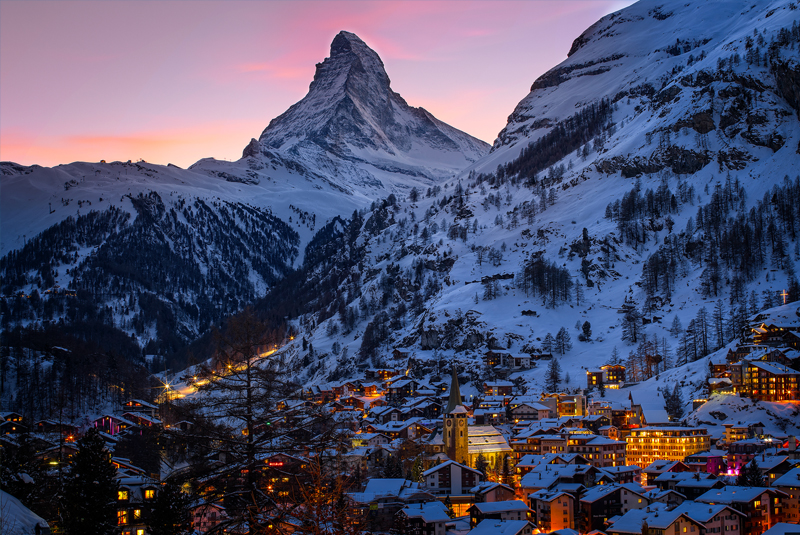
“Better to see something once than to hear about it a thousand times”
Mongolian Proverb
Visit Mongolian Photos


Latest Blogs


Most Read Blogs


Useful Travel Tips

Blog Archive
Related Tours


