



.jpg)


Snow Leopard Photography Expeditions in Mongolia
What Real Field Experience Looks Like
At dawn, the mountains are silent except for the sound of wind crossing frozen rock.
A tracker stops suddenly and studies a distant ridgeline through binoculars. Nobody speaks. Cameras remain lowered. Sometimes nothing appears for hours. Sometimes for days.
This is what a real snow leopard photography expedition in Mongolia feels like.
Not a safari. Not a guaranteed wildlife encounter. But a field-based experience shaped by patience, weather, altitude, and the unpredictable movement of one of the world’s most elusive predators.
Photographing snow leopards in the wild remains one of the most demanding forms of wildlife photography on Earth.
A Mongolia snow leopard photography expedition requires physical endurance, adaptability, and the willingness to accept uncertainty in remote mountain terrain where sightings can never be guaranteed.
Yet meaningful encounters still occur for those willing to observe carefully, move patiently, and spend time in the mountains on the animal’s terms.
How Our Snow Leopard Photography Expeditions Took Shape
Ayan Travel began operating dedicated snow leopard photography expeditions after many years of leading wildlife-focused journeys across western Mongolia.
As a Mongolia-based expedition team, we saw growing interest from serious international photographers seeking authentic field experience rather than structured wildlife tourism.
Over time, it became clear that snow leopard photography could never follow fixed sightseeing logic.
Routes, timing, and daily movement had to remain flexible, adapting constantly to weather, terrain, tracking conditions, and the natural behavior of the animal itself.
Our approach gradually evolved through repeated field expeditions, direct observation, and years spent working in Mongolia’s remote mountain ecosystems.
This approach was shaped in part by the long-term wildlife fieldwork of photographer and expedition leader Batzaya Choijiljav. Years spent documenting Mongolia’s wildlife helped develop an expedition style based on careful observation, respect for wild animals, and an understanding that meaningful encounters take time.
Today, the same principles continue to define how every Ayan Travel snow leopard photography expedition operates.
From Fieldwork to Photography Books
Time spent in snow leopard habitat eventually led to long-term photography and publishing projects.
Drawing on years of work in Mongolia’s remote mountain landscapes, Batzaya Choijiljav later published large-format photography books dedicated to the snow leopard and its habitat. The images and stories presented in these books reflect the same field experience and deep connection to the mountains that continue to inspire our expeditions today.
What a Real Snow Leopard Photography Expedition Feels Like
Preparation begins long before entering the mountains.
Participants receive detailed guidance on winter clothing systems, physical readiness, camera equipment, altitude considerations, and mental expectations.
Snow leopard photography requires as much patience internally as it does technical skill behind the camera.
Once in the field, days revolve around tracking and observation.
Local trackers scan distant slopes for fresh movement, paw prints, prey behavior, and subtle signs hidden within the terrain.
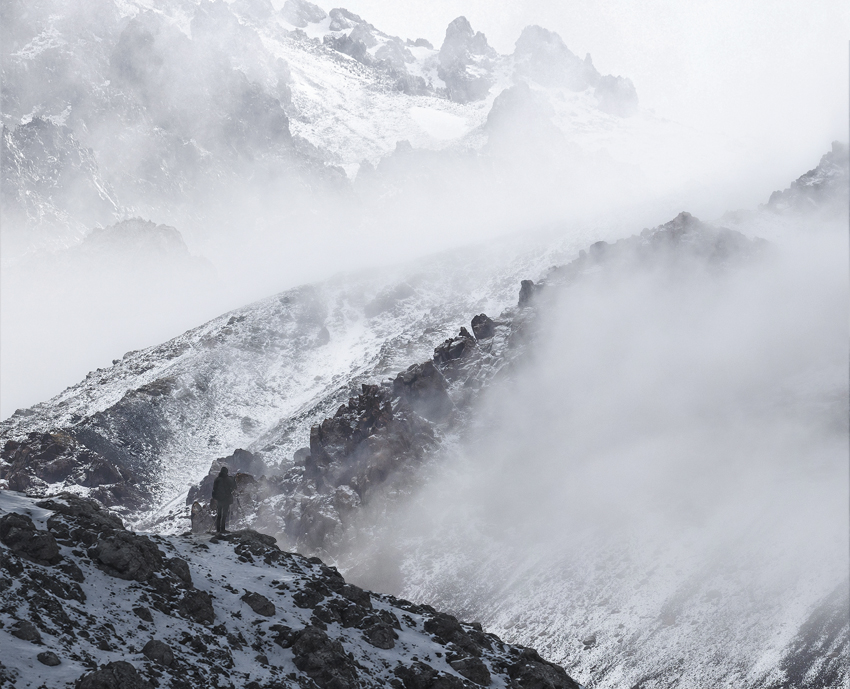
Photographers spend long hours studying ridgelines through binoculars and telephoto lenses, often in temperatures ranging between –20°C and –30°C.
Elevation typically varies between 2,500 and 3,100 meters.
Terrain is steep, rocky, and physically demanding.
Equipment is heavy.
Movement is deliberate.
Some days involve climbing several ridges through deep snow only to find old tracks disappearing into broken cliffs.
Fingers freeze quickly while changing camera settings.
Wind cuts across exposed slopes.
Hours pass behind binoculars without movement.
Then suddenly, everything changes in seconds.
Snow leopard habitat is never empty.
Siberian ibex move carefully across distant cliffs. Argali appear briefly against open slopes. Ravens circle silently in rising wind.
These moments matter because they reveal the larger mountain ecosystem the snow leopard belongs to.
Then, on certain mornings, the tracker lowers his binoculars slightly and gestures quietly.
A shape moves slowly across a distant ridge.
A pale body against fractured rock.
For a few brief moments — sometimes only seconds — the entire mountain narrows to a single presence.
No fences. No vehicles. No noise.
Only distance, cold air, and a rare animal moving freely through its natural world.
Moments like this cannot be manufactured.
They can only be earned through patience, field discipline, and time spent in the mountains.
Ethics and Responsibility in Snow Leopard Photography
Ethical practice remains central to every Ayan Travel snow leopard photography expedition.
Snow leopards are never chased, pressured, baited, or approached aggressively.
Maintaining appropriate distance is non-negotiable.
Photography should never alter the animal’s natural behavior.
Success is not measured only by photographic proximity, but by whether the animal remains undisturbed and able to continue naturally within its environment.
Our expeditions operate with the understanding that we are visitors within the animal’s territory.
The mountain dictates pace.
Distance, restraint, and patience are essential parts of ethical snow leopard photography.
What We Have Learned from the Field
Through repeated snow leopard photography expeditions in Mongolia, we have learned that:
Snow leopard sightings can never be guaranteed.
Patience and observation matter more than speed.
Accepting uncertainty often leads to the most meaningful experiences.
Small group sizes significantly improve field efficiency and flexibility.
Respect for the animal always matters more than the photograph itself.
These lessons continue to shape how we design and operate our expeditions today.
Who This Expedition Is Designed For
This snow leopard photography expedition is designed for photographers who understand that meaningful wildlife work requires uncertainty.
It is for individuals comfortable in remote winter conditions, physically demanding terrain, and long periods of observation.
It is for photographers who value authenticity over convenience and field experience over guarantees.
This is not a casual sightseeing tour or a guaranteed-sighting wildlife trip.
Small group sizes are intentionally maintained to preserve flexibility, minimize environmental disturbance, and maximize field efficiency in the mountains.
Why Mongolia Remains One of the Last True Frontiers for Snow Leopard Photography
Mongolia offers something increasingly rare in modern wildlife tourism: scale, isolation, and uncertainty.
Vast mountain terrain, limited infrastructure, and low tourism pressure still allow snow leopards to move largely undisturbed across enormous landscapes.
Unlike heavily commercialized wildlife destinations, success here depends less on infrastructure and more on patience, local field knowledge, weather, timing, and time spent in the mountains.
This combination of scale, climate, and unpredictability continues to make Mongolia one of the last true frontiers for snow leopard photography.
Serious wildlife photographers continue to seek Mongolia not for guarantees, but for authenticity.
If You Are Considering Joining a Snow Leopard Photography Expedition in Mongolia
If you are looking for a highly structured wildlife tour with predictable outcomes, this may not be the right expedition.
But if you are seeking a real snow leopard photography expedition in Mongolia led by a Mongolia-based team with long-term field experience in the Altai Mountains, we invite you to explore our upcoming departures.
Some expeditions end with only tracks in the snow.
Others offer a brief moment that remains unforgettable for the rest of your life.
The mountains decide which one you receive.
Your role is simply to arrive prepared.
Explore Our Snow Leopard Photography Expeditions in Mongolia
Small winter departures led by a Mongolia-based expedition team with long-term field experience in Mongolia’s remote Altai Mountains.
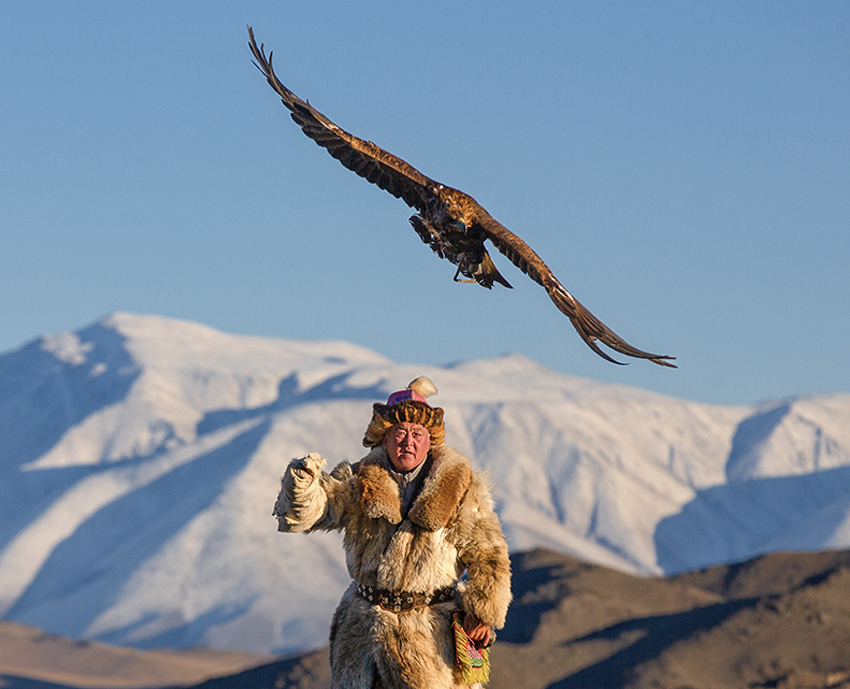
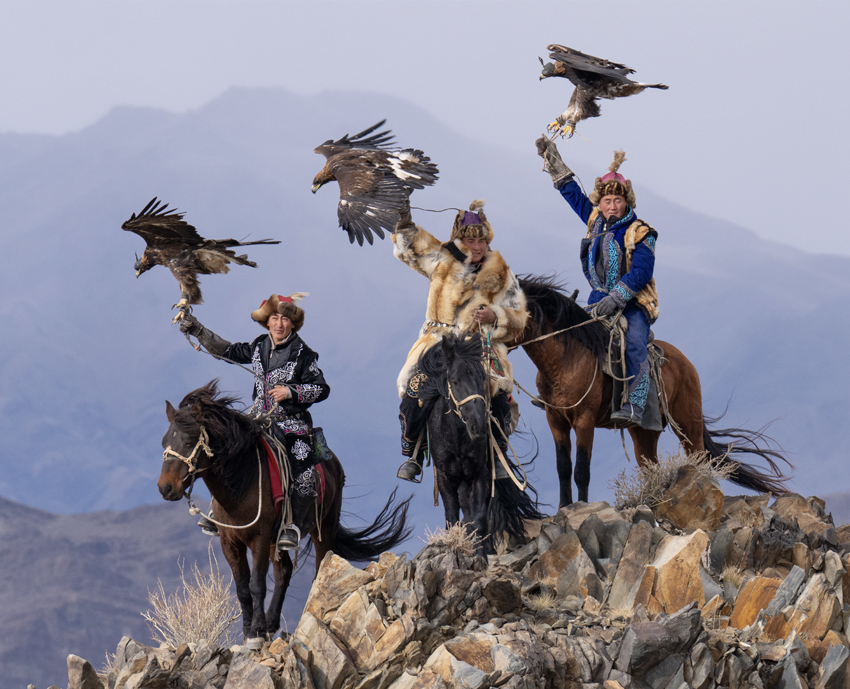
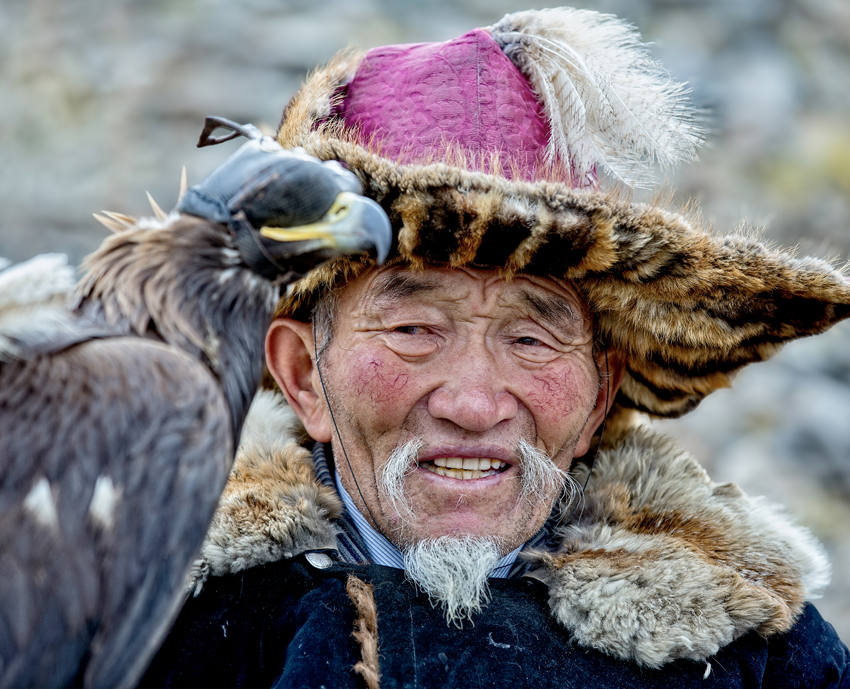
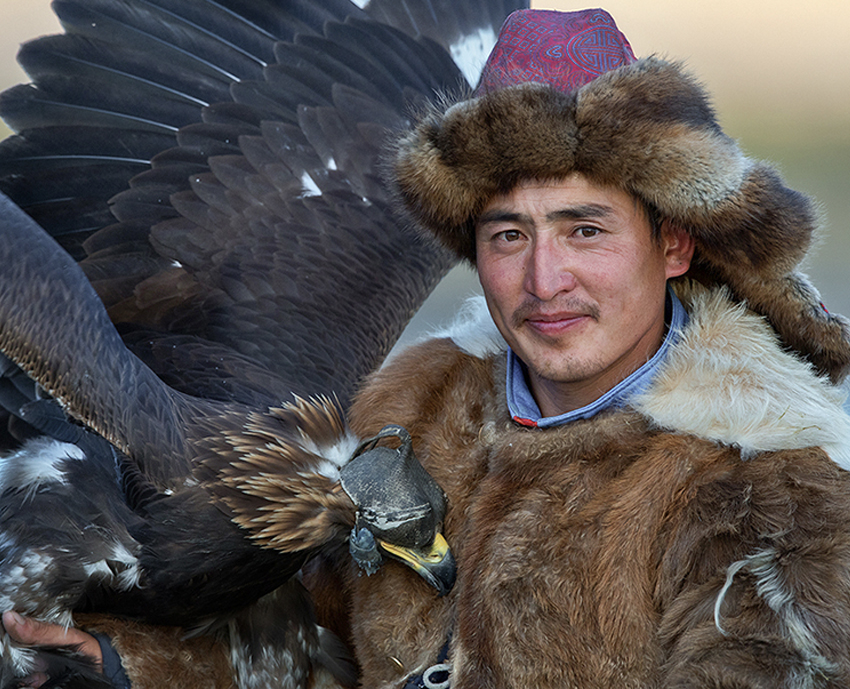
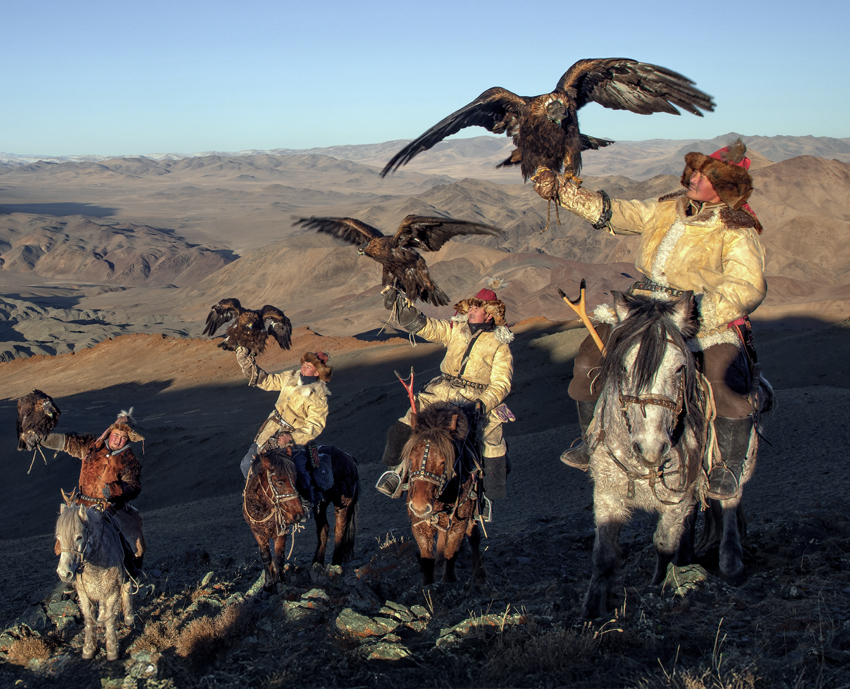
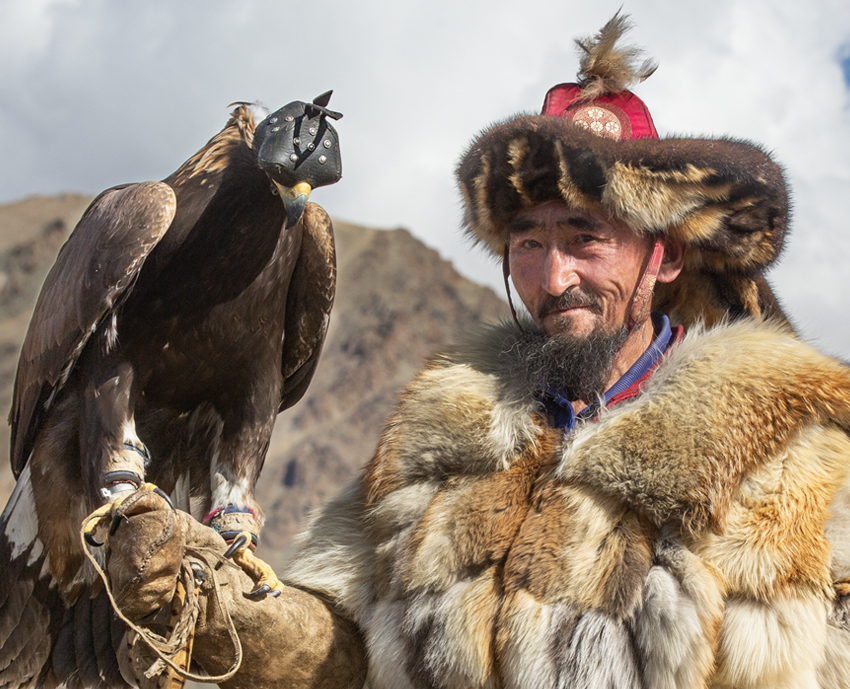
Visitors interested in western Mongolia's wildlife and photography opportunities may also enjoy our Golden Eagle Festival Mongolia Guide , which explores the eagle hunting culture, festivals, and landscapes of the Altai region.
Visit Mongolian Photos


Latest Blogs


Most Read Blogs


Useful Travel Tips

Blog Archive
Related Tours


