
.jpg)


Democracy in Mongolia
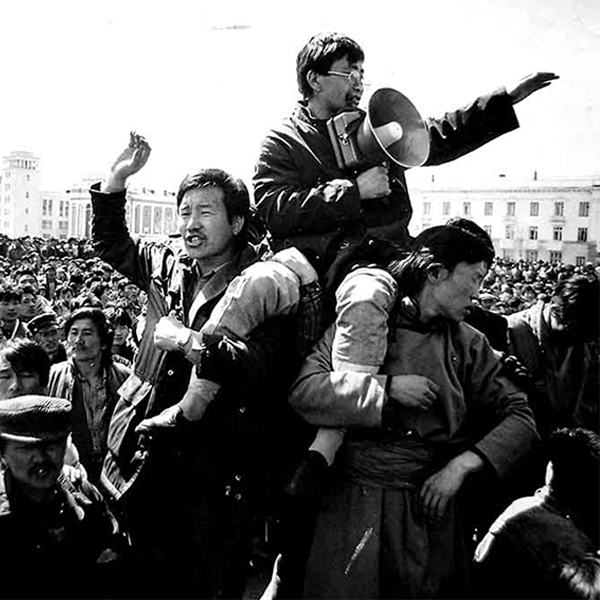
Mongolia's Democratic Revolution
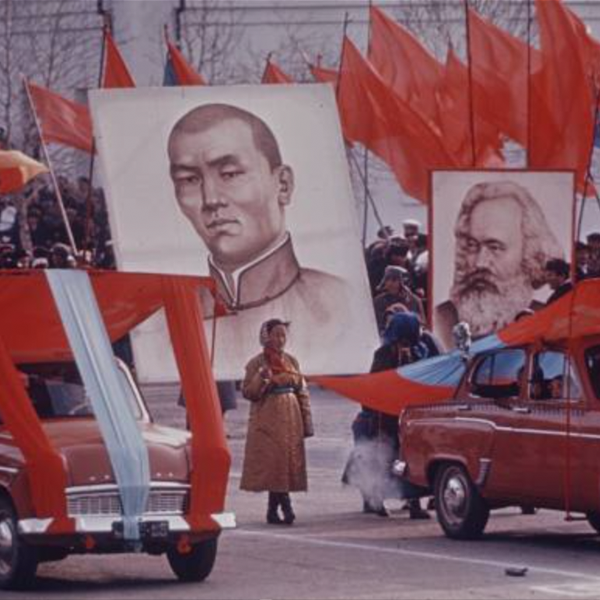
In 1990, Mongolia peacefully transitioned from a socialist one-party system to a democratic republic. Inspired by political reforms taking place across Eastern Europe and the Soviet Union, Mongolians called for greater political freedom, democratic elections, and economic reform.
The democratic movement led to significant political changes and marked the beginning of a new chapter in Mongolia's modern history.
The Constitution of 1992
A new constitution was adopted in 1992, establishing Mongolia as a democratic parliamentary republic. The constitution guaranteed fundamental rights and freedoms, introduced a multi-party political system, and created the framework for modern democratic governance.
Since then, Mongolia has held regular democratic elections and maintained peaceful transfers of political power.
Economic Transition
Alongside political reform, Mongolia began transitioning from a centrally planned economy to a market economy.
Major reforms included:
• Privatization of state-owned enterprises
• Development of private businesses
• Banking and financial reforms
• Expansion of international trade
• Increased foreign investment
These changes transformed Mongolia's economy and strengthened its connections with global markets.
Mongolia in the Modern World
Since the democratic transition, Mongolia has expanded its diplomatic relationships and increased its participation in international organizations.
The country pursues a balanced foreign policy while maintaining strong relations with its neighbors and developing partnerships with countries around the world through its "Third Neighbor" policy.
Mongolia Today
Modern Mongolia combines ancient nomadic traditions with contemporary urban life. While Ulaanbaatar has become the country's political, economic, and cultural center, traditional nomadic herding remains an important part of national identity.
Today, Mongolia is recognized as one of Asia's democratic nations and continues to build upon the foundations established during its democratic transition.
Highlights of Mongolia's Democratic Era
• Democratic Revolution (1990)
• Constitution of 1992
• Multi-party political system
• Market economy reforms
• International cooperation and diplomacy
• Growth of modern Ulaanbaatar
• Preservation of Mongolia's cultural heritage