
.jpg)


Mongolia In Bogd khaan’s Era
MONGOLIA IN BOGD KHAAN'S ERA (1911–1924)
The collapse of the Qing Empire in 1911 marked a turning point in Mongolian history. On 29 December 1911, Mongolia declared its independence and established the Bogd Khaanate under the leadership of the 8th Bogd Gegeen, who became known as Bogd Khaan.
This period represented Mongolia's first modern attempt to restore national sovereignty after centuries of foreign rule. The newly established government created ministries responsible for foreign affairs, finance, military affairs, and internal administration.
The years that followed were shaped by regional political struggles involving Russia, China, and Mongolia. Although Mongolia's independence faced numerous challenges, the foundations of modern statehood were established during this period.
Following the Mongolian People's Revolution of 1921, Mongolia gradually transitioned toward a new political system. The death of Bogd Khaan in 1924 marked the end of the Bogd Khaanate and the beginning of a new chapter in Mongolia's modern history.
Highlights of the Bogd Khaan Era
• Declaration of Independence (1911)
• Establishment of the Bogd Khaanate
• Formation of Mongolia's first modern government institutions
• Treaty of Khiagt (1915)
• Mongolian People's Revolution (1921)
• Death of Bogd Khaan (1924)
• Beginning of modern Mongolia
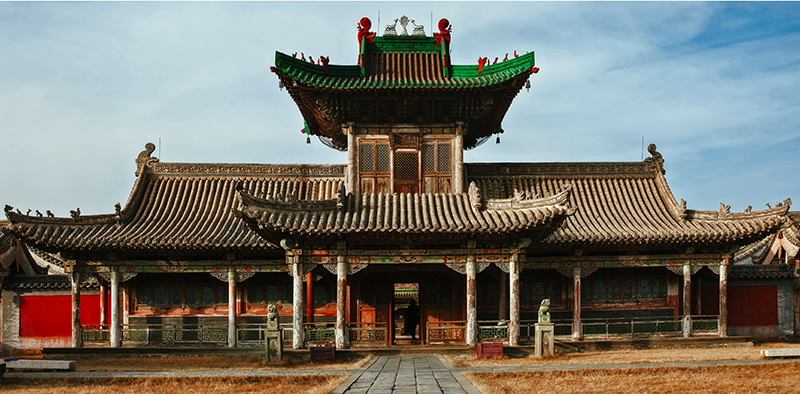
Bogd Khaan Palace Museum
Visitors interested in this period can explore the Bogd Khaan Palace Museum in Ulaanbaatar. Built between 1893 and 1903, the palace complex served as the winter residence of Bogd Khaan and remains one of Mongolia's most important historical museums.