




.jpg)


Baitei: The Last Generation That Remembered a Different Altai
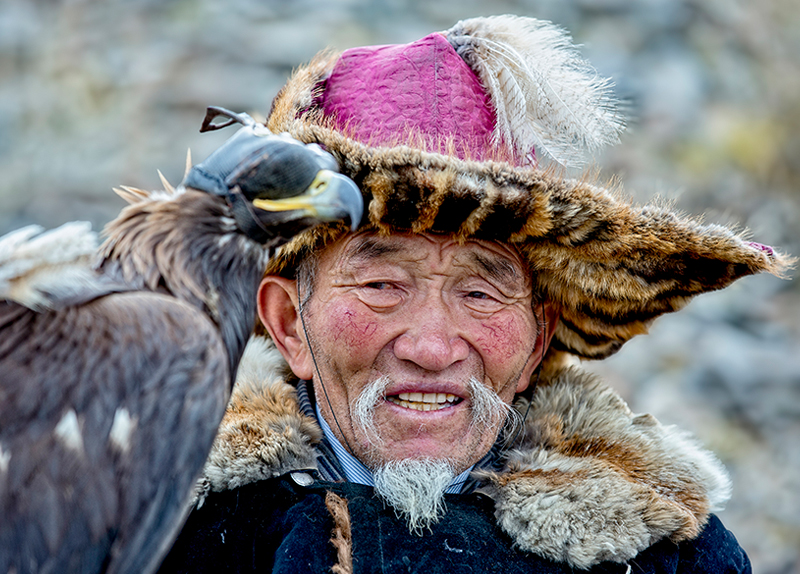
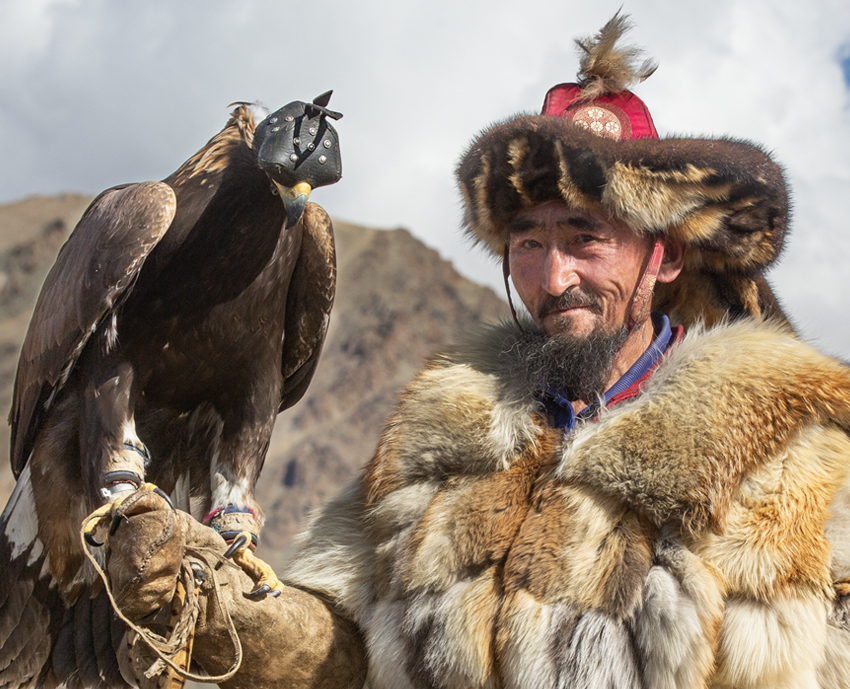
When I met Baitei in the Altai Mountains of western Mongolia, I was meeting far more than an eagle hunter.
I was meeting a man whose life spanned nearly a century of change.
Born in 1930 in Altantsögts soum of Bayan-Ölgii Province, Baitei witnessed the final years of traditional nomadic life, the period of collectivization, the expansion of education into remote communities, the rise and fall of the socialist era, and the emergence of modern Mongolia.
Throughout those decades of change, one thing remained constant: his connection to the eagle hunting tradition of the Kazakh people.
For most of his life, Baitei was known not only as an eagle hunter but also as a respected herder and haymaker. He became a seven-time provincial champion haymaker and was later recognized nationally as a State Champion Haymaker. Yet when speaking with him, medals and titles rarely seemed important.
His stories almost always returned to family, eagles, and the values that guided his life.
More than anything else, Baitei belonged to a generation that remembered a different Altai — an Altai before tourism, before international recognition, and before eagle hunting became known to the wider world.
“My Son, Get an Eagle”
One story revealed more about Baitei than any list of achievements ever could.
After he married in 1949, tragedy struck the young family. Several of his children died in infancy, and he fell into deep sorrow. Seeing his son's struggle, Baitei’s father offered a simple piece of advice:
“My son, get an eagle.”
Baitei followed that advice.
Years later, he still remembered the change it brought to his life.
After acquiring his first eagle, he found himself focused once again on daily responsibilities. Caring for the bird, traveling through the mountains, preparing for hunts, and training the eagle gave purpose and structure to his days.
The eagle became far more than a hunting companion.
It became part of his recovery.
Whether viewed as practical wisdom, emotional healing, or simply the power of responsibility, the advice changed the course of his life.
For the rest of his years, eagles remained at the center of his world.
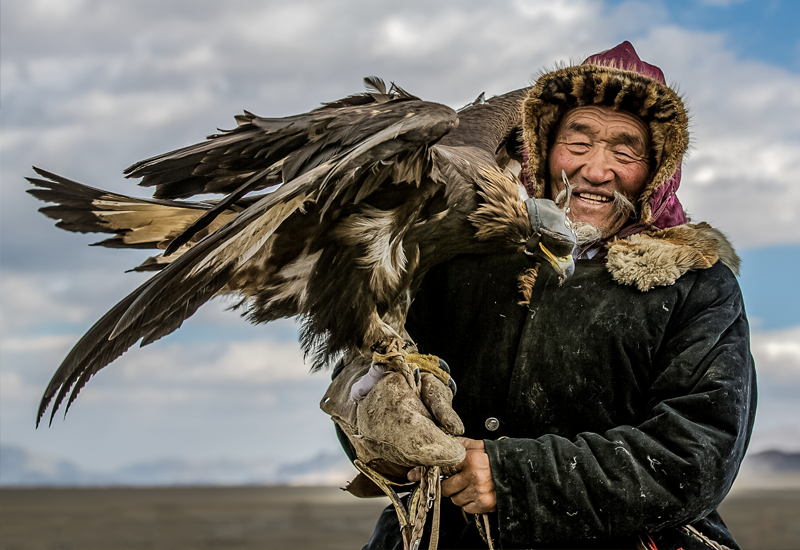
Not Everyone Who Carries an Eagle Is an Eagle Hunter
Among the many things Baitei shared was an old saying remembered by Kazakh eagle hunters.
“Are you an eagle hunter, or merely the man who scares the fox from its hiding place?”
The phrase may sound humorous at first, but its meaning was serious.
For Baitei, carrying an eagle on one's arm did not automatically make someone an eagle hunter.
The title had to be earned.
A true eagle hunter trained the bird, cared for it through every season, understood its behavior, hunted successfully with it, and accepted responsibility for its well-being.
Without that commitment, a person might participate in a hunt, but he had not yet earned the respect associated with the title of eagle hunter.
The saying reflected Baitei’s philosophy toward life itself.
Respect was earned through work, patience, and dedication.
Never through appearance alone.
As he often reminded younger hunters, tradition survives not because people wear the clothing or carry the eagle, but because they accept the responsibility that comes with both.
For Baitei, eagle hunting was never about image.
It was about commitment.
When Eagle Hunters Came to Ulaanbaatar
One of Baitei’s most remarkable memories dated back to 1950.
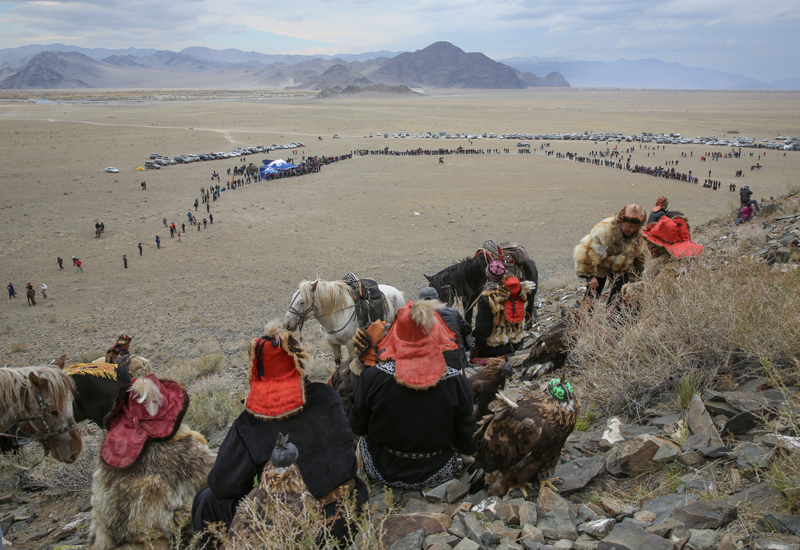
That year, Bayan-Ölgii Province celebrated its tenth anniversary, and a group of eagle hunters, including Baitei, traveled to Ulaanbaatar to participate in the national celebrations.
For many people in the capital, it was among the first opportunities to see Kazakh eagle hunters and their golden eagles in person.
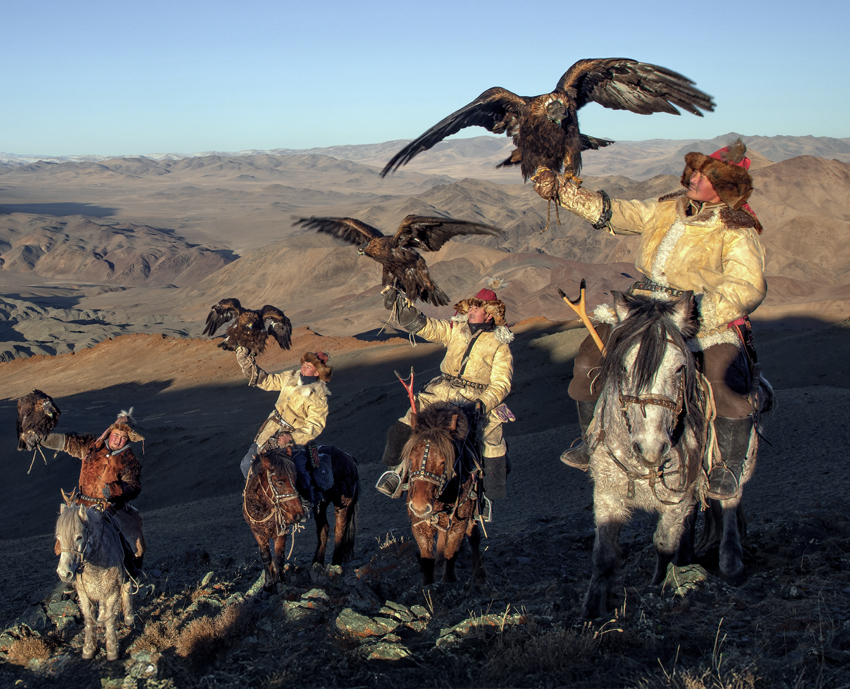
During the event, the hunters demonstrated traditional eagle hunting techniques before large crowds. Live foxes were released, and visitors watched as the eagles displayed the skills that had been passed down through generations in the Altai Mountains.
Today, such demonstrations may seem familiar in an age of festivals, tourism, and international photography expeditions.
But in 1950, the event carried a different meaning.
It represented a tradition from Mongolia’s far western frontier being introduced to the nation as a whole.
For Baitei, the memory was never about personal recognition.
Instead, he remembered it as a moment when the eagle hunting tradition itself received recognition and respect beyond the valleys and mountains where it had long survived.
It was a reminder that the culture of the Altai was also part of the story of Mongolia.
Twenty-Five Eagles Across Sixty-Four Years
During his lifetime, Baitei trained and hunted with approximately twenty-five golden eagles.
He spent more than sixty-four years as an eagle hunter.
The numbers alone are impressive, but they reveal only part of the story.
Each eagle required years of care, patience, and dedication. Long before a hunt could take place, a hunter needed to understand the bird’s temperament, build trust, and develop a partnership that could not be rushed.
Every hunting season brought new challenges.
Winter conditions in the Altai Mountains were often harsh. Hunters traveled across remote valleys and mountain slopes, relying not only on the skill of the eagle but also on their own endurance and experience.
Over the decades, Baitei witnessed changing times, changing communities, and changing ways of life.
Yet the relationship between hunter and eagle remained remarkably constant.
For him, eagle hunting was never simply about catching foxes.
It was about maintaining a connection between people, animals, landscape, and tradition.
Each eagle eventually returned to the wild, bringing an end to a relationship that had often lasted for many years.
Then the cycle would begin again.
Few eagle hunters anywhere in the world can claim such a lifetime of experience.
For more than six decades, Baitei remained part of a tradition that linked generations of hunters to the mountains, valleys, and open skies of the Altai.
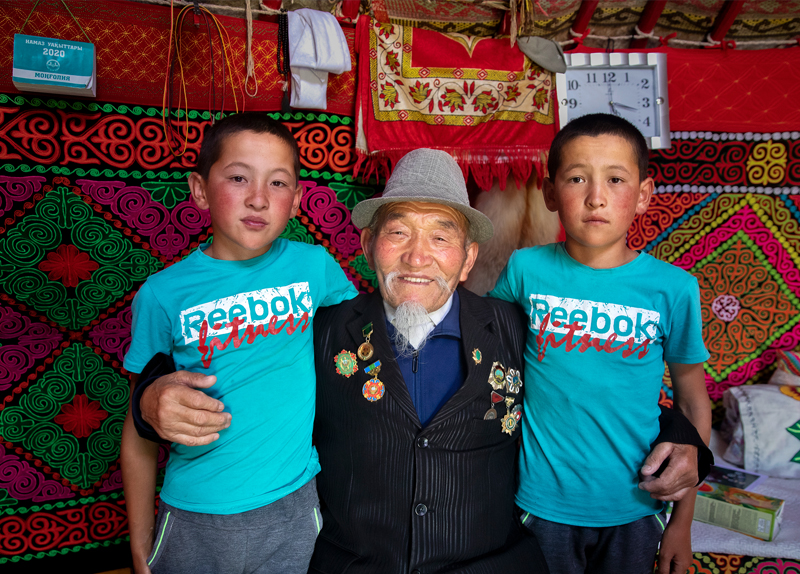
An Altai Before Festivals
When Baitei began hunting with eagles, the Altai was a very different place.
There were no international visitors, no organized eagle festivals, and no photographers arriving from around the world in search of dramatic images and cultural stories.
The tradition survived because families continued to practice it.
Knowledge passed from fathers to sons.
Young hunters learned through observation, patience, and years of experience in the mountains. Skills were earned slowly and often required a lifetime to master.
The Altai that Baitei remembered was quieter and far more isolated than the one visitors encounter today.
Roads were fewer.
Communication was limited.
Many valleys remained connected only by seasonal migration routes and local knowledge.
Yet the values at the heart of the tradition remain familiar even today.
Respect for elders.
Commitment to family.
Responsibility toward animals.
Pride in one's homeland.
For Baitei, these values mattered more than recognition or fame.
They formed the foundation of everyday life in the Altai long before the outside world became aware of eagle hunting.
His memories offer a rare glimpse into a period when the tradition existed not as a cultural attraction, but simply as a way of life.
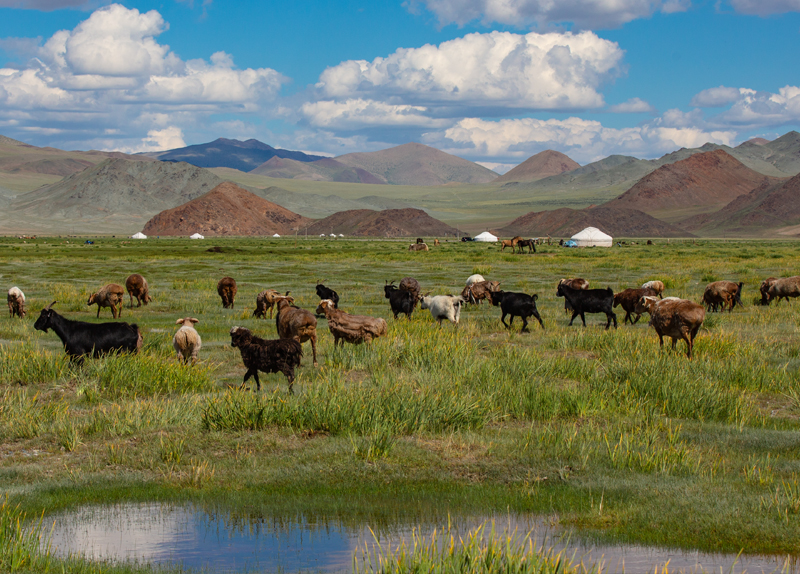
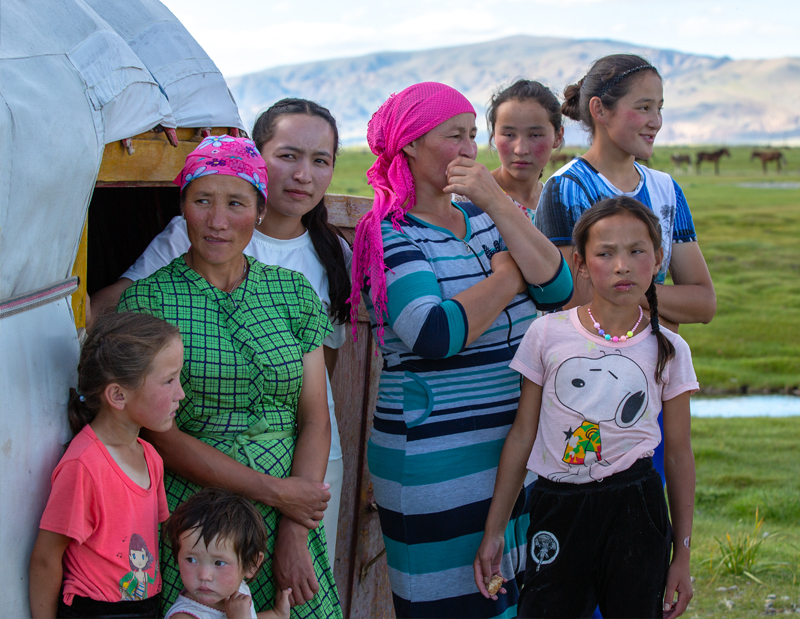
This article is based on interviews conducted during the research and preparation of the book EAGLE HUNTERS (БҮРГЭД) by photographer and author Batzaya Choijiljav.
Visit Mongolian Photos


Latest Blogs


Most Read Blogs


Useful Travel Tips

Blog Archive
Related Tours


