



.jpg)


What Eagle Hunter Asylbek Learned From His Father
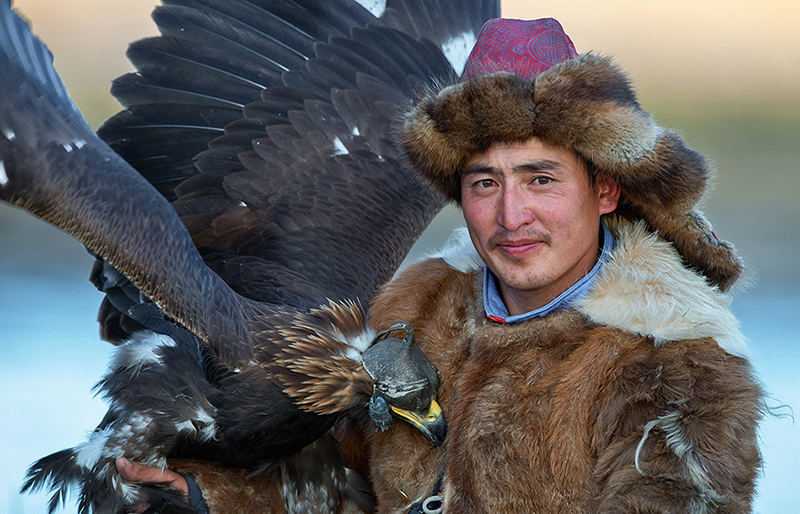
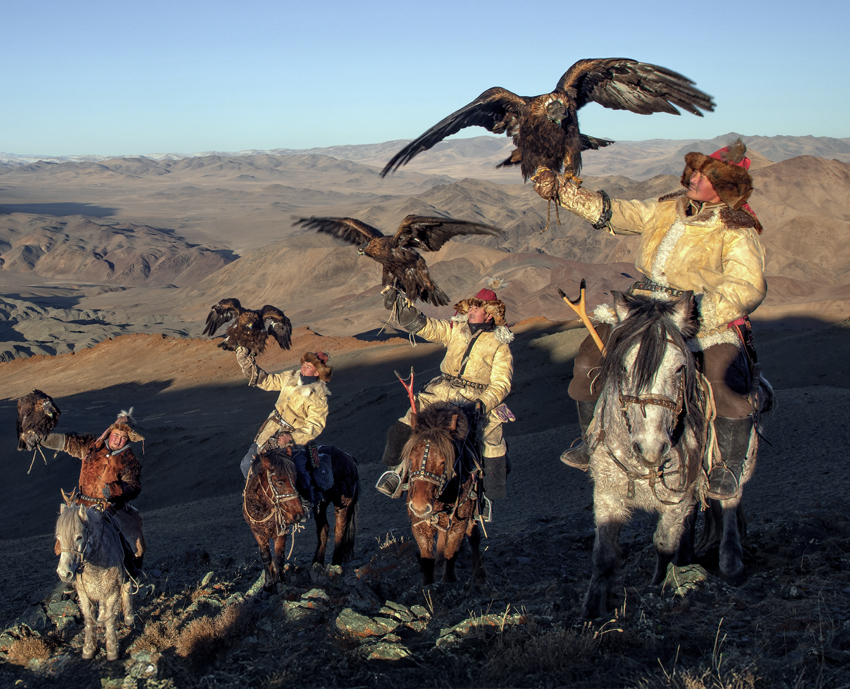
Visitors who travel to Mongolia's Altai Mountains are often drawn by the region's spectacular landscapes and the opportunity to meet eagle hunters who continue one of Central Asia's most remarkable living traditions.
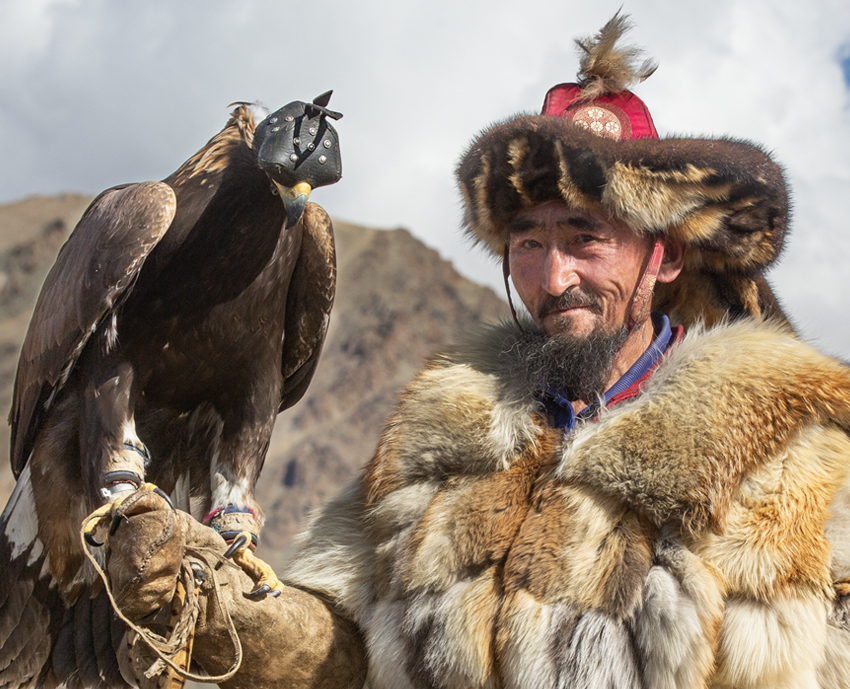
One of them is Asylbek Manaa of Sagsai soum in Bayan-Ölgii Province.
When I first visited Asylbek's family, I expected to hear stories about hunting with golden eagles. Instead, much of our conversation returned to something deeper — family, responsibility, respect, and the lessons passed from one generation to the next.
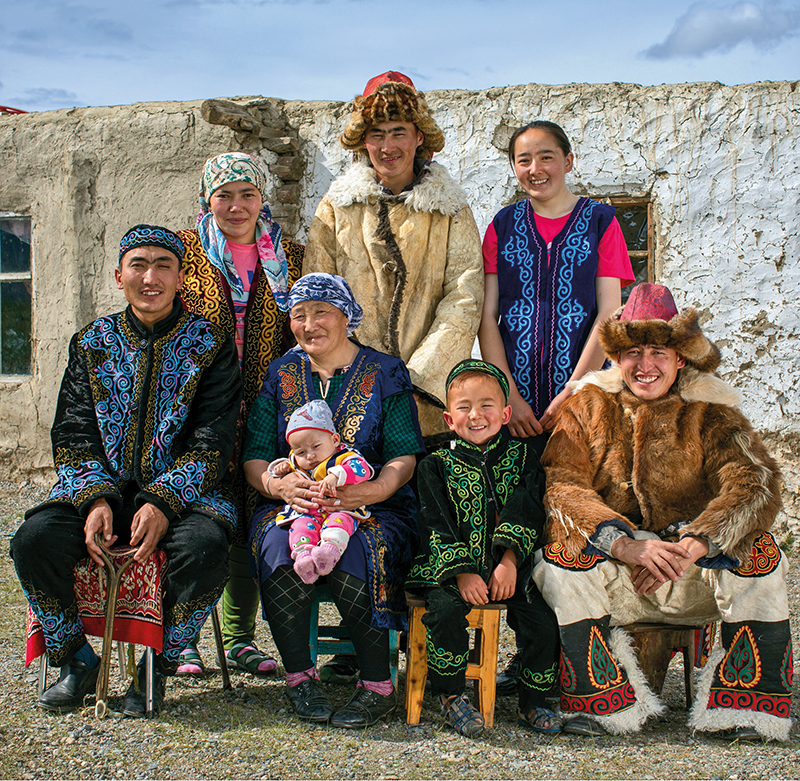
For Asylbek, those lessons came from his father, the late eagle hunter Manaa.
Asylbek was born into a large family of eleven children. He was the sixth son among brothers and sisters who grew up together in the wide valleys of the Altai.
His parents were herders. His father was also a third-generation eagle hunter.
When speaking about his childhood, Asylbek returned again and again to the same thought:
“To us, our father was a hero.”
The words were simple, but behind them stood an entire way of life.
TO US, OUR FATHER WAS A HERO
His father rarely taught through speeches. Instead, he taught through example.
Children learned by watching.
Older boys looked after horses and cattle, gathered water and firewood, and helped with the daily work of the household.
Younger children herded sheep and goats or cared for their younger siblings.
Everyone had responsibilities.
Work was not considered a burden.
It was simply part of life.
Looking back, Asylbek remembers that neither his father nor mother seemed to sit still for long. They were always working, always caring for their family, and always creating an environment where responsibility felt natural rather than forced.
The result, he says with pride, is that all eleven children grew up healthy, started families of their own, and continue to live productive lives today.
THE STRENGTH BEHIND THE FAMILY
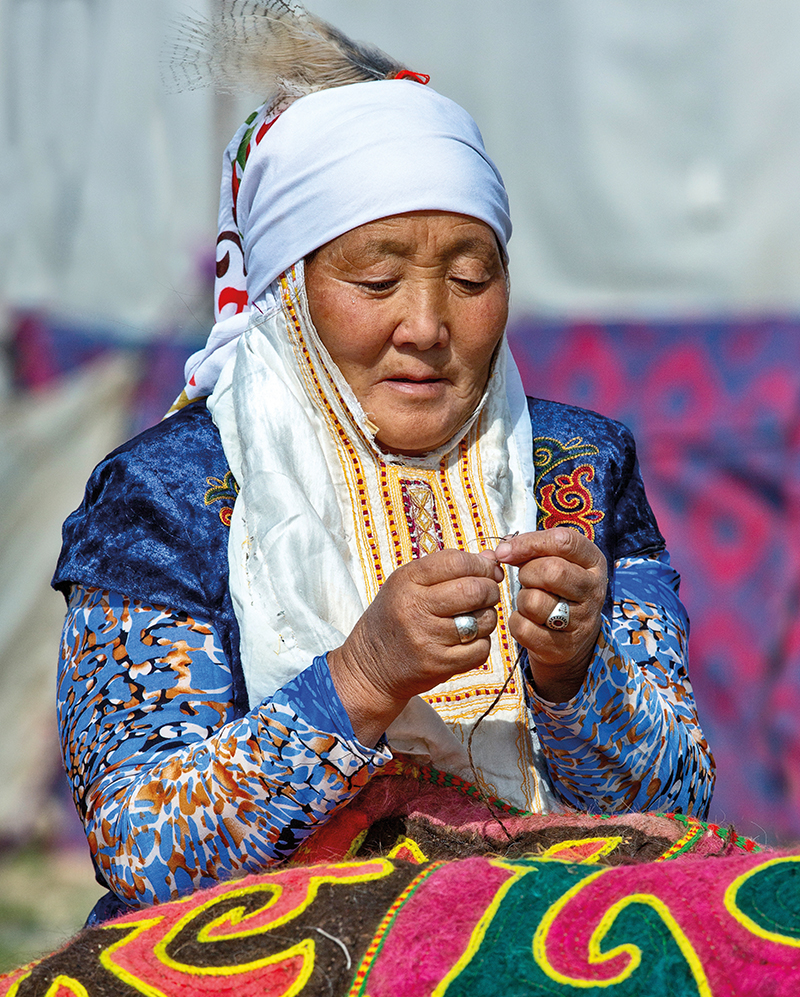
While Manaa passed down the traditions of eagle hunting, Asylbek's mother played an equally important role.
Like many Kazakh women of western Mongolia, she carried much of the responsibility for maintaining the household and preserving family traditions.
She taught her daughters the customs, skills, and values that had been passed down through generations — from preparing food and dairy products to sewing clothes and caring for a large family.
Even today, she remains the center of the family.
Children, grandchildren, and relatives continue to gather around her, and many of the values that shaped the next generation can be traced back to her guidance and example.
Traditions survive not only because hunters teach their sons, but because families remain strong enough to carry those traditions forward.
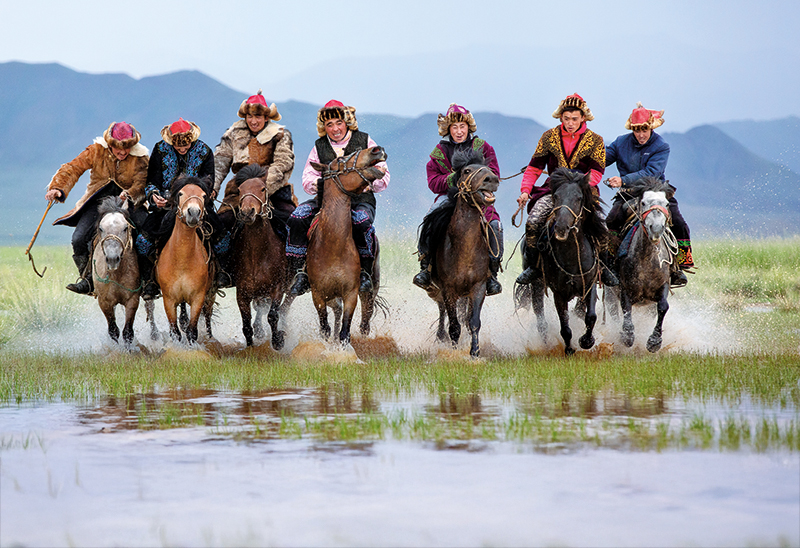
AN EAGLE WAS PART OF THE FAMILY
Many visitors imagine an eagle as a hunting bird.
For Asylbek, it was much more than that.
His father considered the eagle a full member of the household.
The bird was always nearby.
Family members spoke about it, cared for it, fed it, and paid attention to its needs.
Everyone knew when it should be fed, when it should rest, and how it should be treated.
Asylbek remembers that his father often spoke to the eagle just as he spoke to people.
The family atmosphere seemed to include the bird as naturally as any other member of the household.
That relationship shaped the way he thinks about eagle hunting today.
An eagle, he explains, is not a tool.
It is not an object.
It is a companion that must be respected.
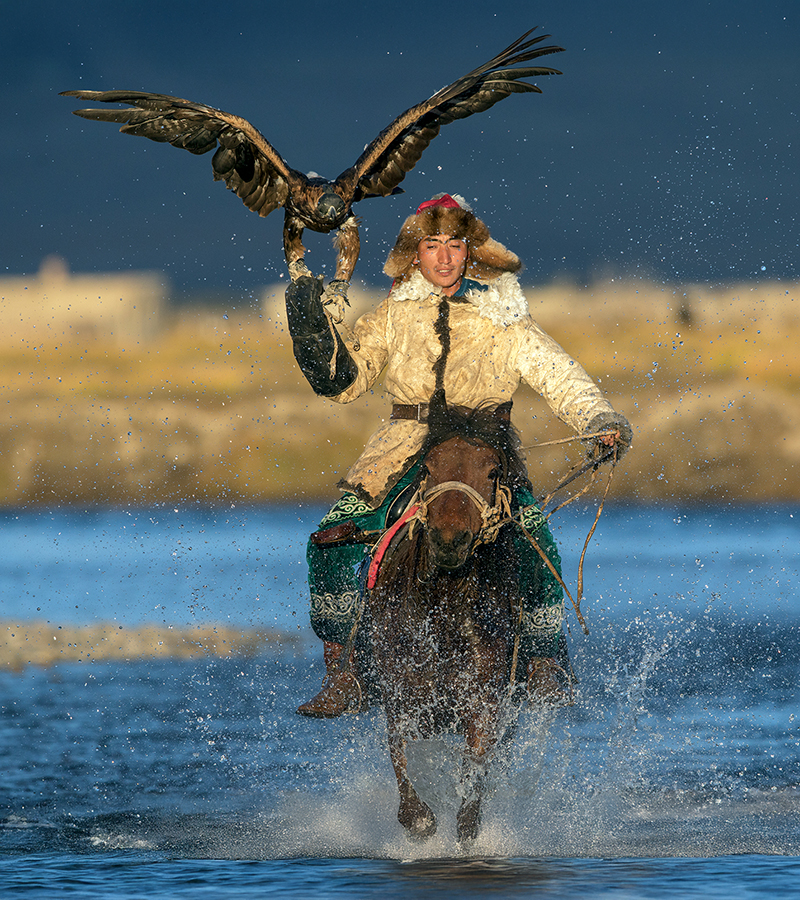
THE EAGLE IS YOUR FRIEND, YOUR HONOR, AND YOUR PRIDE
Among the many lessons he learned from his father, one stands above all others.
Respect.
Eagles are intelligent, sensitive animals.
They remember how they are treated.
Asylbek recalls stories of hunters who mistreated their birds and later lost them forever.
A single moment of anger could destroy years of trust.
His father taught him that an eagle should never be beaten or treated harshly.
“You brought this bird down from the sky,” he explained. “You must never look down on it.”
Over time, Asylbek developed his own understanding:
“The eagle is your friend, your honor, and your pride.”
Those words continue to guide him today.
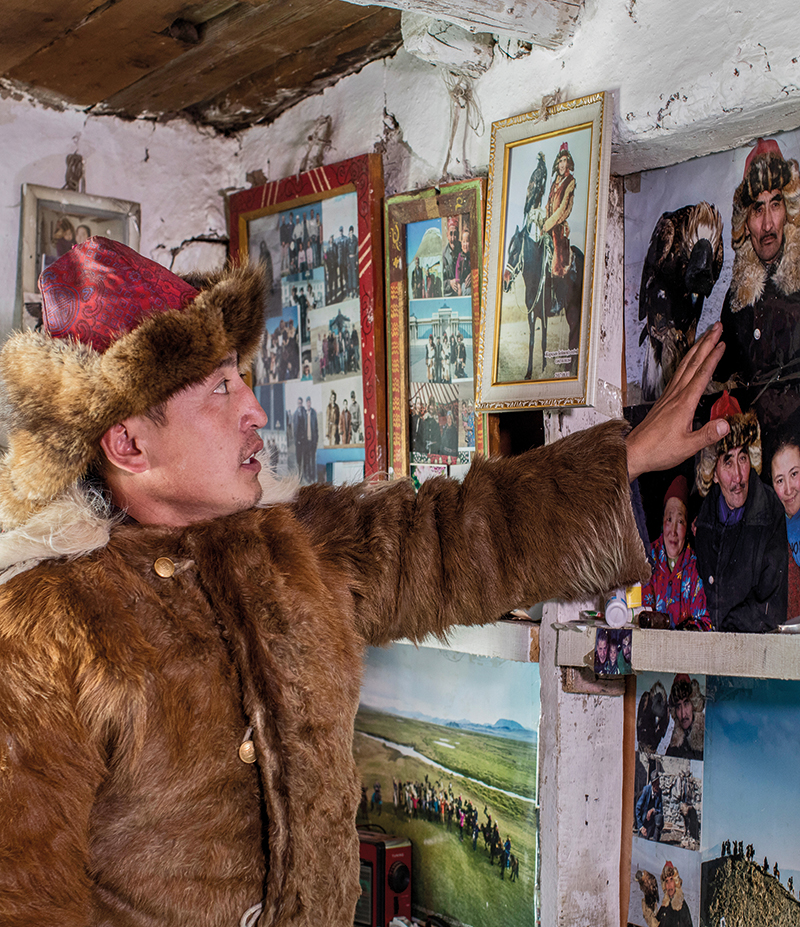
THE DAY HIS FATHER THANKED AN EAGLE
One memory remains especially vivid.
As his father grew older, it became increasingly difficult for him to travel long distances with his eagle.
One day, Asylbek overheard him speaking quietly to the bird.
He thanked the eagle for the years they had spent together.
He told the bird that he understood its language.
He thanked it for being his true companion.
Asylbek had heard his father speak to eagles many times before, but something felt different that day.
There was more respect in his voice.
More gratitude.
More understanding.
The moment left a lasting impression on him.
It deepened his own sense of loyalty toward the birds and strengthened his belief that the relationship between hunter and eagle is built on trust rather than control.
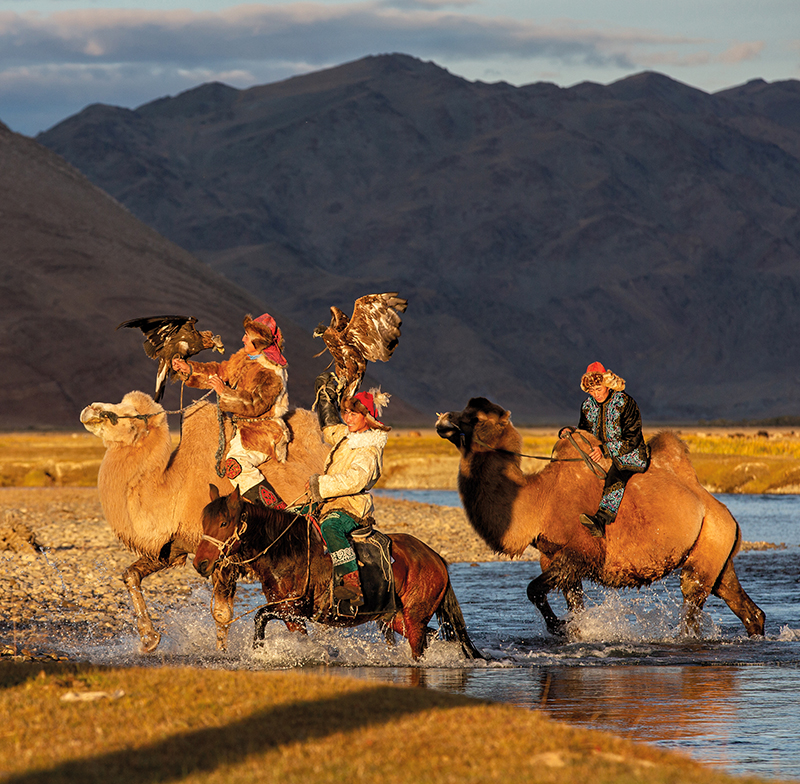
RETURNING HOME
After graduating as an electrical engineer, Asylbek spent several years living and working in Ulaanbaatar.
He could have continued his career in the capital.
Instead, he returned home.
His father repeatedly encouraged him to come back to Sagsai.
“My son,” he would say, “live in your homeland. There is a good life here. Our homeland needs people who will contribute to it.”
Years later, Asylbek remains grateful that he listened.
Today he lives and works in his community while continuing the traditions he inherited from previous generations.
A LIVING TRADITION
The story did not end with Manaa.
Nor does it end with Asylbek.
A new generation is already growing up within the same family.
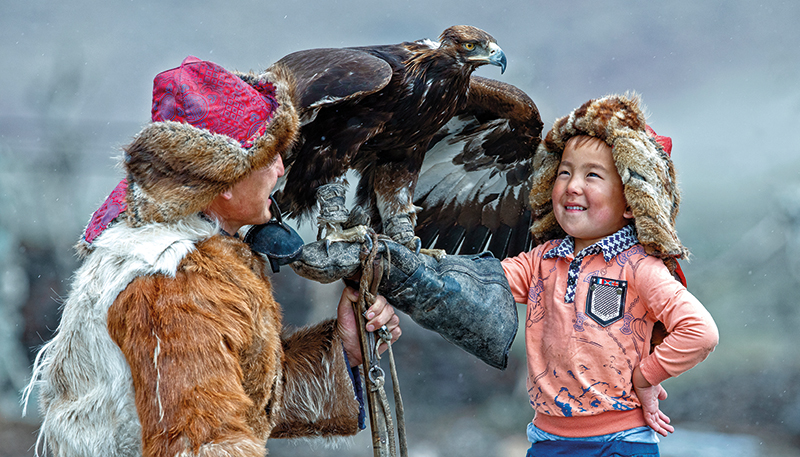
Children who once stood beneath the wings of their fathers’ eagles are now old enough to carry birds on their own arms.
The traditions, stories, equipment, and knowledge continue to pass from one generation to the next.
Some of the family’s hunting equipment has already survived for more than a century.
Among their treasured possessions is an antelope-horn eagle stand believed to be over 150 years old, handed down through successive generations of eagle hunters.
For Asylbek, preserving this heritage is not simply about honoring the past.
It is about ensuring that future generations understand where they come from.
MORE THAN EAGLE HUNTING
It is easy to see families like Asylbek’s only through the lens of eagle hunting.
But that would miss the larger story.
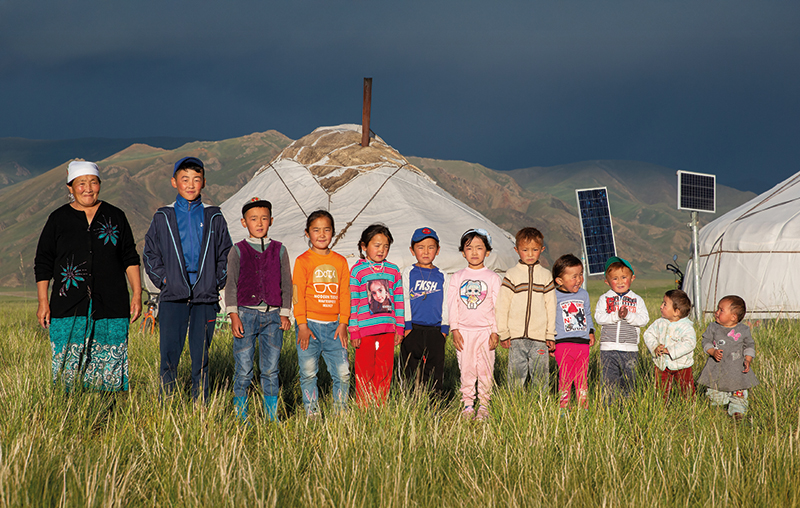
This is ultimately a story about family.
About parents who led through example.
About children who learned through observation.
About respect for elders.
About responsibility.
About patience.
About hard work.
About cultural identity.
These are the lessons Asylbek learned from his father.
And they may prove even more enduring than the tradition of eagle hunting itself.
This article is based on interviews conducted by photographer and author Batzaya Choijiljav during the research and preparation of the book EAGLE HUNTERS (БҮРГЭД), a documentary project exploring the people, families, and living traditions of Mongolia’s eagle hunting culture.
Visit Mongolian Photos


Latest Blogs


Most Read Blogs


Useful Travel Tips

Blog Archive
Related Tours


