




.jpg)

What to Eat in Mongolia
Many travelers arrive in Mongolia expecting to eat nothing but meat and dairy products throughout their journey.
While traditional nomadic cuisine remains an important part of Mongolia's cultural heritage, most visitors are pleasantly surprised by the variety of food available across the country. From traditional Mongolian dishes to Korean, Japanese, Chinese, European, and international cuisine, travelers can enjoy a wide range of meals during their stay.
Understanding Mongolia's food culture will help you appreciate both the country's nomadic traditions and the practical realities of modern travel.
Understanding Mongolian Food
Mongolian cuisine developed over centuries of nomadic life.
Traditionally, food was designed to provide energy, warmth, and nourishment in a challenging climate where livestock formed the foundation of daily life.
As a result, traditional meals are often based on:
- Meat
- Dairy products
- Flour and noodles
- Seasonal vegetables
- Simple, hearty ingredients
Food varies by region, season, and lifestyle, but hospitality remains central throughout the country.
Traditional Dishes to Try
Buuz
Buuz are steamed dumplings filled with minced meat and onions. They are among Mongolia's most popular dishes and are especially common during Tsagaan Sar (Lunar New Year).
Khuushuur
Khuushuur are deep-fried meat pastries often compared to large turnovers. They are a favorite festival food and can be found throughout the country. Many travelers quickly develop a fondness for freshly cooked khuushuur.
Tsuivan
Tsuivan is a stir-fried noodle dish prepared with meat and vegetables. It is one of the most common everyday meals in Mongolia and is widely served in local restaurants and roadside cafés.
Khorkhog
Khorkhog is a traditional dish prepared by cooking meat together with heated stones inside a sealed container. It is often served for special occasions and remains one of Mongolia's most distinctive culinary experiences.
Boodog
Boodog is one of Mongolia's oldest traditional cooking methods and is typically prepared for special occasions in rural areas. While most visitors are unlikely to encounter it during a standard itinerary, it remains an important part of Mongolia's culinary heritage.
Dairy Foods and Traditional Drinks
Dairy products play a central role in Mongolian food culture.
Depending on the season and region, travelers may encounter:
Suutei Tsai
Traditional milk tea served throughout the country. For many Mongolians, it is the first drink offered to guests entering a home.
Aaruul
Dried curd made from milk. Aaruul comes in many shapes and textures and is a common snack in nomadic households.
Airag
Fermented mare's milk and one of Mongolia's most famous traditional drinks. Its slightly sour taste often surprises first-time visitors. Some travelers love it immediately, while others need time to acquire the taste.
Fresh Dairy Products
Fresh yogurt, cream, cheese, and other dairy products are commonly served during summer, particularly in rural areas.
What Most Travelers Actually Eat
One of the biggest surprises for visitors is that they rarely eat only traditional Mongolian food during their trip.
Many travelers arrive believing they will eat only meat during their journey. In reality, most visitors end up enjoying a varied combination of Mongolian, Asian, and European-style meals, often finding the food far more familiar than expected.
In Ulaanbaatar, travelers can find a wide range of restaurants serving Korean, Japanese, Chinese, European, and other international cuisines.
In the countryside, many ger camps and organized tours provide a combination of traditional dishes and familiar international meals, including:
- Soups
- Salads
- Rice dishes
- Pasta
- Grilled meats
- Fresh vegetables
- Fruit
Many travelers arrive concerned about food choices but quickly discover that meals are far more varied than they expected.
Food on Overland Tours
Long overland journeys often take travelers far from towns and restaurants.
Meals are typically prepared by ger camp kitchens or experienced field cooks who are accustomed to serving international guests in remote locations.
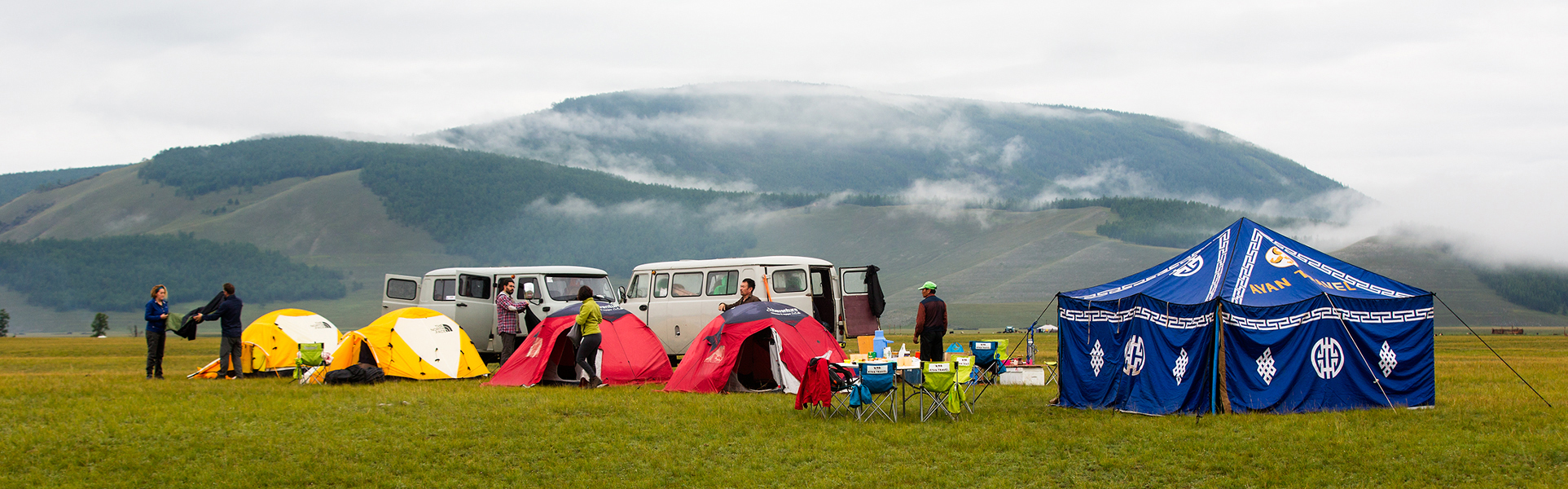
On organized overland journeys, travelers often enjoy soups, salads, vegetables, grilled meats, pasta dishes, rice, local specialties, picnic lunches, and freshly prepared camp meals, even in remote parts of the country.
For many visitors, sharing meals outdoors in Mongolia's vast landscapes becomes one of the most memorable parts of the journey.
Vegetarian and Special Diets
Vegetarian meals are widely available in Ulaanbaatar and increasingly common at many ger camps and tourism facilities.
However, travelers should understand that traditional Mongolian cuisine is heavily based on meat and dairy products.
Visitors with vegetarian, vegan, gluten-free, or allergy-related dietary requirements should inform their tour operator in advance.
With proper planning, most dietary needs can be accommodated.
Food Safety
Food served in established restaurants, hotels, ger camps, and organized tours is generally safe.
Meals are typically served freshly cooked and hot.
Travelers with sensitive stomachs may wish to try unfamiliar foods and fermented dairy products gradually.
Drinking bottled, filtered, or boiled water is recommended throughout the journey.
Practical Food Tips
- Be open to trying traditional foods.
- Inform your tour operator of dietary restrictions before arrival.
- Carry snacks for long overland journeys.
- Try local dairy products gradually if you are unfamiliar with them.
- Drink plenty of water, especially in Mongolia's dry climate.
- Do not assume every meal will be traditional Mongolian cuisine.
Frequently Asked Questions
Will I eat only meat in Mongolia?
No. While meat remains important in traditional cuisine, most travelers enjoy a wide variety of meals including vegetables, soups, pasta, rice dishes, salads, and international cuisine.
Is vegetarian food available?
Yes. Vegetarian meals are widely available in Ulaanbaatar and can often be arranged at ger camps and on organized tours with advance notice.
What is the most famous Mongolian drink?
Airag, or fermented mare's milk, is one of Mongolia's most famous traditional beverages.
Is Mongolian food spicy?
Generally no. Traditional Mongolian cuisine tends to be mild and focuses on the natural flavors of the ingredients.
Is food safe in Mongolia?
Food served by reputable restaurants, hotels, ger camps, and tour operators is generally safe.
What food should I try first?
Many visitors begin with buuz, khuushuur, tsuivan, suutei tsai, and airag to experience some of Mongolia's best-known traditional foods.


