



.jpg)

Transportation in Mongolia
Transportation in Mongolia is unlike travel in most other countries. With vast open landscapes, low population density, and destinations often located far from major roads, getting from one place to another is an important part of the adventure itself.
While domestic flights provide quick access to distant regions, overland travel remains the most rewarding way to experience Mongolia. Crossing the steppe, deserts, mountains, and river valleys offers a unique perspective on the country's landscapes and nomadic culture.
Understanding how transportation works in Mongolia will help you plan your journey and set realistic expectations for travel times and road conditions.
How People Travel
Private 4WD Vehicles
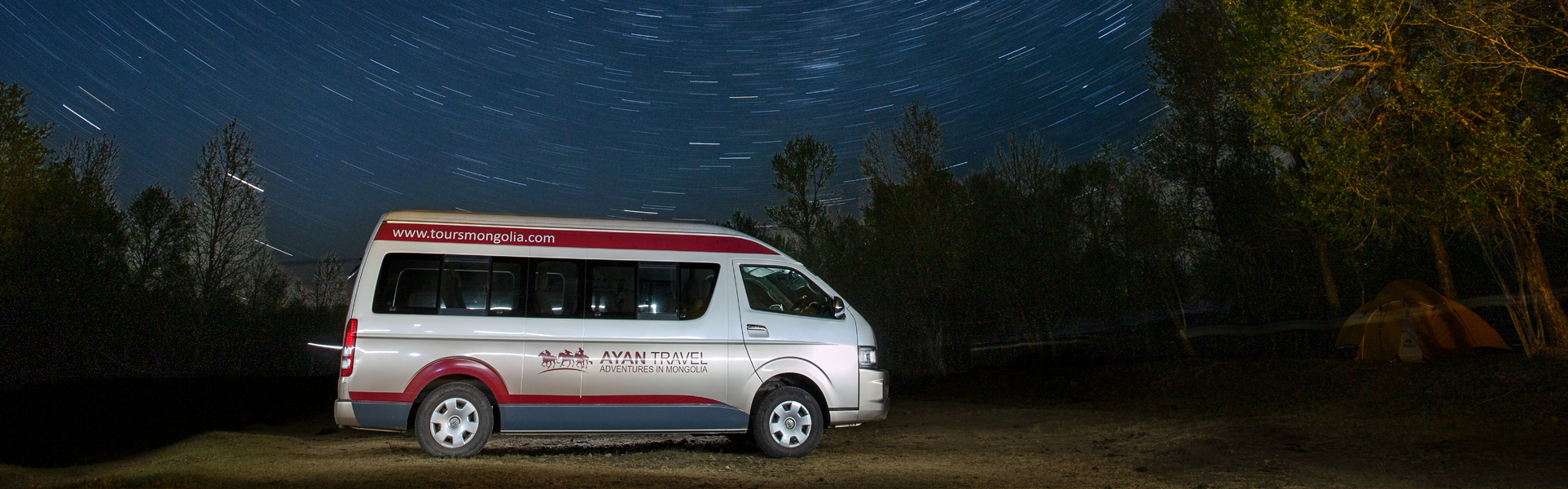
For most visitors, traveling by private 4WD vehicle is the most practical and comfortable way to explore Mongolia.
Many of Mongolia's most spectacular destinations—including the Gobi Desert, the Altai Mountains, Lake Khuvsgul, and remote national parks—are located far beyond the paved road network.
Toyota Land Cruisers and other high-clearance vehicles are commonly used throughout the tourism industry because they are reliable, comfortable, and well suited to Mongolia's diverse terrain.
Domestic Flights
Domestic flights are the fastest way to cover Mongolia's immense distances.
Regular flights connect Ulaanbaatar with major regional destinations including:
- Bayan-Ulgii
- Khovd
- Murun
- Dalanzadgad
- Choibalsan
- Ulaangom
- Uliastai
Flights can save several days of driving, particularly for travelers visiting western Mongolia or combining multiple regions within a limited schedule.
Because weather conditions can occasionally affect schedules, flexibility is always recommended.
Railway Travel
Mongolia's railway network is centered around the historic Trans-Mongolian Railway, which connects Mongolia with both Russia and China.
Domestic train services connect Ulaanbaatar with destinations such as:
- Darkhan
- Sukhbaatar
- Erdenet
- Choir
- Sainshand
Train travel can be a pleasant and scenic experience, although it plays a relatively small role in most modern tourism itineraries compared with road travel and domestic flights.
Public Transportation
Long-distance buses connect Ulaanbaatar with provincial centers throughout the country.
While affordable, public transportation operates on fixed schedules and generally serves major towns rather than remote natural attractions. For visitors wishing to explore Mongolia's countryside, national parks, or nomadic regions, private transportation is usually the most practical option.
Road Conditions: What to Expect
Mongolia's road network continues to improve every year.
Most major highways connecting Ulaanbaatar with provincial capitals are paved and provide comfortable driving conditions. However, reaching many of the country's most beautiful destinations requires leaving the asphalt behind.
Travelers should expect a mixture of:
- Paved highways
- Gravel roads
- Dirt tracks
- Open steppe routes
Road conditions can change significantly depending on weather, particularly after heavy rain or snowfall.
Because of this, travel times are often measured in hours rather than kilometers.
Travel Times
The following estimates are based on normal road conditions from Ulaanbaatar:
| Destination | Approximate Driving Time |
|---|---|
| Hustai National Park | 2–3 hours |
| Elsen Tasarkhai | 4–5 hours |
| Kharkhorin | 5–6 hours |
| Dalanzadgad (South Gobi) | 7–9 hours |
| Lake Khuvsgul | 12–14 hours |
| Bayan-Ulgii | 2–3 days overland |
Professional Drivers
Most visitors choose to travel with experienced local drivers.
Professional drivers possess extensive knowledge of road conditions, remote routes, weather patterns, and fuel availability. Their experience allows travelers to focus on the landscapes and cultural experiences rather than navigation challenges.
In remote regions, this local knowledge can be invaluable.
Self-Driving
Self-driving is possible in Mongolia, but it is generally recommended only for travelers with significant off-road experience.
Road signs can be limited, mobile coverage may disappear for long periods, and services can be hundreds of kilometers apart.
For most visitors, traveling with a professional driver offers a safer and more enjoyable experience.
What to Expect on Long Journeys
Long drives are a normal part of traveling in Mongolia.
A typical day may involve between five and eight hours on the road, with frequent opportunities to stop for photography, sightseeing, wildlife observation, and visits to nomadic families.
Many travelers discover that these moments between destinations become some of the most memorable parts of their journey.
Travel Tips
Allow Extra Time
Road conditions and weather can affect travel schedules. It is always wise to allow additional time when planning connections and activities.
Use Soft Luggage
Soft duffel bags are easier to load into vehicles and comply more easily with domestic flight baggage restrictions.
Keep Essentials Accessible
During long drives, keep items such as:
- Camera
- Water bottle
- Sunscreen
- Jacket
- Snacks
- Power bank
within easy reach.
Be Flexible
Mongolia's landscapes, weather, and road conditions occasionally require itinerary adjustments. Flexibility is part of the experience and often leads to unexpected highlights.
Frequently Asked Questions
What is the best way to travel around Mongolia?
For most visitors, a private 4WD vehicle with an experienced local driver is the safest, most comfortable, and most flexible way to explore the country. Many of Mongolia’s most spectacular destinations are located far beyond the paved road network.
Are roads paved in Mongolia?
Major highways connecting Ulaanbaatar with provincial centers are mostly paved. However, many national parks, ger camps, and remote attractions require travel on gravel roads, dirt tracks, or open steppe routes.
Can tourists drive themselves in Mongolia?
Yes, self-driving is possible. However, it is generally recommended only for travelers with significant off-road experience. Navigation, road conditions, fuel availability, and limited mobile coverage can make independent travel challenging.
Are domestic flights reliable?
Domestic flights are generally reliable and provide the fastest way to travel across Mongolia’s vast distances. However, weather conditions can occasionally cause delays or schedule changes, particularly in remote regions.
Is train travel available in Mongolia?
Yes. Mongolia’s railway network is centered around the Trans-Mongolian Railway. Domestic train services connect Ulaanbaatar with destinations such as Darkhan, Sukhbaatar, Erdenet, Choir, and Sainshand.
How much driving is involved in a typical tour?
Most overland tours involve between 100 and 330 kilometers of travel per day, depending on the destination, road conditions, and itinerary. Travel days are usually balanced with sightseeing stops, cultural visits, and photography opportunities.


