



.jpg)

Visiting Nomadic Families in Mongolia
Meeting a nomadic family is often one of the most memorable and meaningful experiences of traveling in Mongolia.
For centuries, Mongolian families have moved seasonally across the steppe, mountains, deserts, and forests, maintaining a way of life closely connected to livestock, weather, and the natural environment.
While modern Mongolia continues to develop rapidly, many families still practice traditional pastoral nomadism. Visiting a nomadic household offers travelers a rare opportunity to experience daily life beyond cities and tourist centers and gain a deeper understanding of Mongolia's living culture.
Understanding Mongolia's Nomadic Lifestyle
Nomadic families do not live in isolation from the modern world, but their lives remain closely tied to seasonal movement and animal husbandry.
Depending on the region, families may herd sheep, goats, horses, cattle, yaks, camels, or reindeer. Daily life is shaped by livestock care, weather conditions, and seasonal migrations.
Nomadic life also varies across Mongolia. A camel-herding family in the Gobi Desert lives differently from a horse-herding family on the central steppe, a yak-herding family in the mountains, or a Kazakh eagle hunter family in the Altai Mountains.
What to Expect During a Visit
A visit to a nomadic family is usually informal, welcoming, and unhurried.
Guests are often invited into the family's ger and offered tea, dairy products, or homemade snacks. Children may be helping with livestock, elders may be preparing meals, and daily activities continue much as they would on any ordinary day.
Depending on the season and location, visitors may have opportunities to observe activities such as:
- Milking livestock
- Making dairy products
- Herding animals
- Horse training
- Preparing winter fuel
- Eagle care and training in western Mongolia
The experience is not a performance or staged attraction. It is an opportunity to observe and appreciate everyday life in rural Mongolia.
Entering a Mongolian Ger
For many visitors, stepping inside a Mongolian ger is their first direct encounter with nomadic culture.
The rear section of the ger, known as the khoimor, is traditionally regarded as the place of honor. Unless specifically invited by the host, visitors should avoid sitting directly in the khoimor. Guests are usually guided to an appropriate seat by the family.
There are also several simple customs that visitors should keep in mind:
- Avoid stepping on the threshold when entering the ger.
- Do not lean against the two central support pillars.
- Wait for your host to indicate where you should sit.
These customs are simple signs of respect and are still widely observed throughout Mongolia.
Hospitality and Food
Hospitality occupies an important place in Mongolian culture.
Soon after entering a ger, visitors are often welcomed with suutei tsai (milk tea) and offered a tray containing aaruul (dried curd), dairy products, sweets, or homemade snacks.
Depending on the season, guests may also be offered traditional foods or airag (fermented mare's milk), one of Mongolia's most famous summer drinks.
Visitors are not expected to eat large quantities, but accepting at least a small amount is generally considered polite and respectful.
Many travelers arrive expecting a lifestyle completely different from their own. Yet after sharing tea, conversation, and everyday moments with a host family, they often discover that family life, hospitality, work, and caring for loved ones are values shared across cultures.
Small Gifts and Thoughtful Gestures
In Mongolia, it has long been customary to visit a household with a small gift as a gesture of goodwill and respect.
While gifts are not expected from visitors, some travelers choose to bring small practical items such as fruit, school supplies, notebooks, pencils, or useful household items when visiting nomadic families.
Thoughtful gestures are often appreciated, particularly in remote communities. If you are visiting as part of an organized journey, your guide can advise on what may be appropriate.
Photography Etiquette
Many nomadic families are accustomed to meeting visitors, but it is always respectful to ask permission before taking close-up photographs of people, especially inside the home.
Most families are happy to be photographed when approached politely.
Taking time to interact before raising a camera often leads to more meaningful photographs and experiences.
Tradition and Modern Life
While nomadic life is deeply connected to tradition, it is important not to view rural families as living in the past.
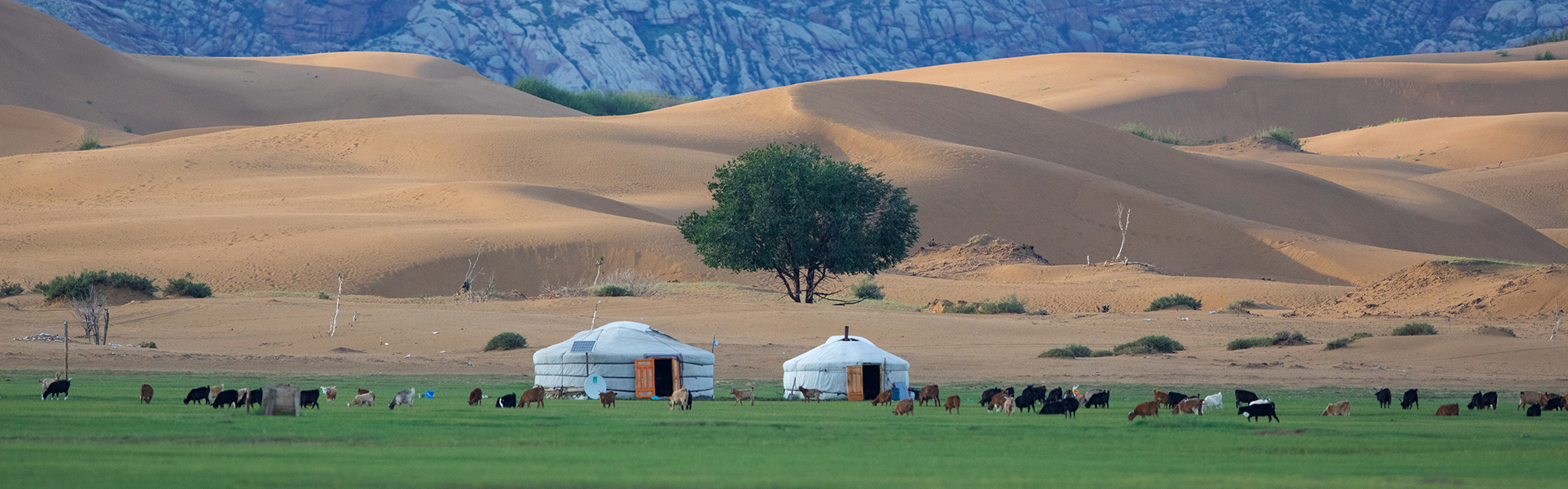
Many households use solar panels, motorcycles, mobile phones, satellite television, and other modern technologies while continuing to maintain traditional herding practices.
The combination of tradition and adaptation is one of the defining characteristics of contemporary nomadic life in Mongolia.
Responsible Travel
Visiting nomadic families should always be based on mutual respect.
Responsible tourism supports local communities, respects daily routines, and encourages meaningful cultural exchange rather than treating family life as a performance.
The most rewarding visits are often those where travelers spend time listening, observing, and learning rather than simply passing through.
Tips Before You Visit
- Arrive with curiosity and respect.
- Follow the guidance of your host or guide.
- Ask permission before taking close-up photographs.
- Be open to trying local food and drinks.
- Remember that you are entering someone's home.
- Dress appropriately for the season and weather.
- Small gifts are appreciated but not expected.
- Focus on genuine interaction rather than simply taking photographs.
Frequently Asked Questions
Do nomadic families still exist in Mongolia?
Yes. Hundreds of thousands of people in Mongolia continue to live partially or fully nomadic lifestyles based on livestock herding.
Can travelers stay with nomadic families?
Yes. Some itineraries include family visits or overnight stays with local households.
Should I bring gifts?
Small practical gifts are appreciated but not expected. Your guide can advise on appropriate options if desired.
Can I take photographs inside a ger?
Usually yes, but always ask permission first.
Will the family speak English?
In most rural areas, English is limited. Guides often help facilitate communication and cultural exchange.
Is visiting a nomadic family ethical?
When conducted respectfully and through responsible tourism practices, family visits can support local communities while helping visitors better understand Mongolia's living cultural heritage.


