



.jpg)

Photography in Mongolia
Mongolia is one of the world's great destinations for photography.
From vast grasslands and desert landscapes to nomadic families, eagle hunters, Buddhist monasteries, wildlife, and festivals, the country offers extraordinary opportunities for photographers of every level.
What makes Mongolia special is not simply the scenery. It is the combination of space, light, people, weather, and time. Many photographers arrive expecting dramatic landscapes but leave remembering the human encounters, the silence of the countryside, and the feeling of being far from the modern world.
Why Mongolia Is Special for Photographers
The Space
Mongolia is one of the least densely populated countries on Earth.
In many parts of the countryside, there are no fences, no buildings, and no power lines stretching across the horizon. This creates a sense of openness that is increasingly difficult to find elsewhere.
For photographers, that means cleaner compositions, simpler backgrounds, and the ability to work with scale in a way that few destinations allow.
The Light
Known as the "Land of the Blue Sky," Mongolia enjoys more than 250 sunny days each year.
Morning and evening light often lasts longer than visitors expect, creating ideal conditions for landscape and portrait photography.
The Weather
Weather changes quickly across the steppe, mountains, and desert.
Sunshine, storm clouds, rain, dust, mist, and dramatic skies can all appear within a single day. For photographers, these changing conditions often create the most memorable images.
The People
Mongolia remains one of the few places where traditional lifestyles can still be photographed as part of everyday life.
Nomadic herders, eagle hunters, monks, horse trainers, and rural families continue traditions that have existed for generations while also adapting to the modern world.
Photographing People
One of the unique aspects of photography in Mongolia is the opportunity to make genuine connections with people.
Unlike many densely populated countries, Mongolia has a small population spread across vast landscapes. In rural areas, encounters with local people are often more personal and unhurried.
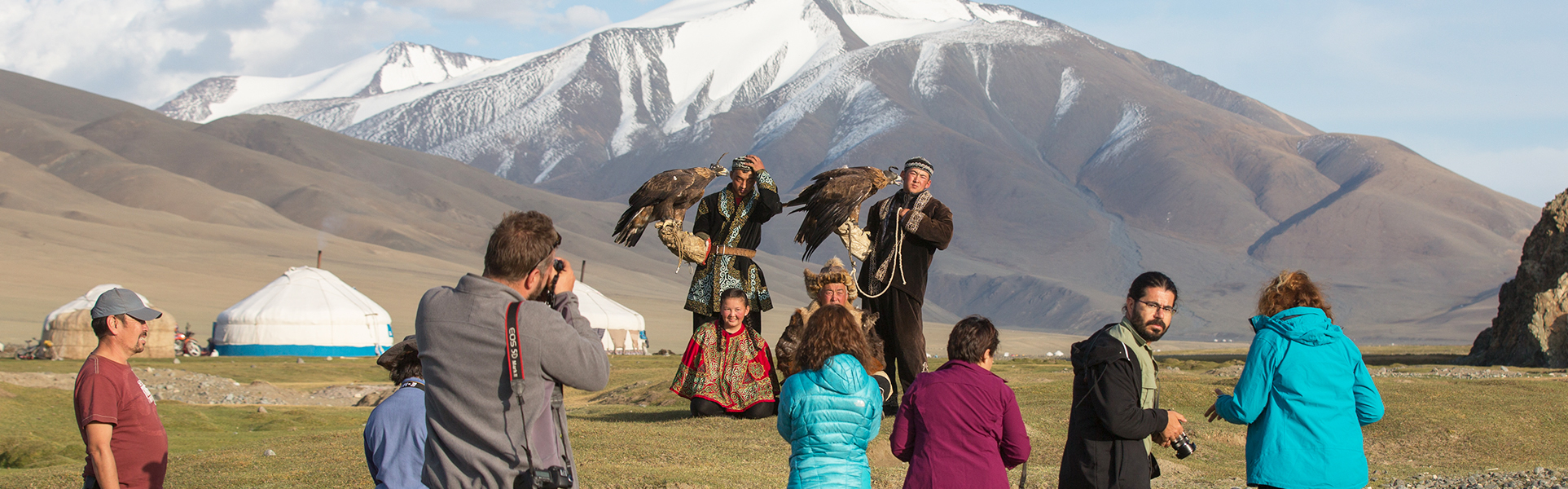
Many nomadic families, herders, and eagle hunters are comfortable being photographed when approached respectfully. Some are even proud to share their traditions and way of life with visitors.
Festivals such as Naadam, the Golden Eagle Festival, and local celebrations provide excellent opportunities for people photography. Participants are often dressed in traditional clothing and are generally happy to be photographed.
In cities such as Ulaanbaatar, photographers should be more cautious. Many people prefer not to be photographed unexpectedly in everyday situations, and asking permission is always appreciated.
A useful rule is simple:
Respect should always come before the photograph.
The strongest portraits often happen after a conversation, a shared cup of tea, or a few minutes spent getting to know the person behind the camera subject.
Landscape Photography
Mongolia offers remarkable variety for landscape photographers.
Popular regions include:
-
The Gobi Desert
-
The Altai Mountains
-
The Khangai Mountains
-
Lake Khuvsgul
-
The Eastern Steppe
However, successful landscape photography in Mongolia is often less about famous locations and more about atmosphere.
The country's vast horizons, changing weather, dramatic skies, and sense of isolation frequently become more important than any specific landmark.
Patience is often rewarded.
A distant ger beneath a storm cloud, horses crossing a valley at sunrise, or the first light touching a mountain ridge may produce stronger photographs than a crowded viewpoint.
Wildlife Photography
Mongolia offers excellent opportunities for wildlife photography.
Subjects may include:
-
Golden eagles
-
Wild sheep and ibex
-
Migratory birds
-
Horses
-
Camels
-
Reindeer
-
Snow leopards on specialized expeditions
Wildlife photography in Mongolia often requires patience, long hours in the field, and an understanding of seasonal conditions.
For many photographers, the combination of wildlife and untouched landscapes is what makes Mongolia unique.
Festivals and Cultural Events
Mongolia's festivals provide some of the country's most dynamic photographic opportunities.
Naadam Festival
Held every July, Naadam features wrestling, horse racing, and archery.
It is one of the best places to photograph traditional clothing, sporting traditions, and cultural celebrations.
Golden Eagle Festivals
The eagle festivals of western Mongolia bring together Kazakh eagle hunters, horses, traditional dress, and spectacular mountain scenery.
These events offer exceptional opportunities for both portrait and action photography.
Local Celebrations
Smaller regional festivals often provide a more intimate experience and can be equally rewarding for documentary photographers.
Weather and Equipment
Mongolia can be demanding on photographic equipment.
Travelers should prepare for:
Dust
The Gobi Desert and dry steppe regions can produce fine dust that reaches cameras, lenses, and sensors.
Wind
Strong winds are common throughout much of the country and can affect both photography and drone operations.
Cold
Autumn, winter, and spring temperatures can become extremely cold, especially in western Mongolia.
Batteries
Cold weather significantly reduces battery performance. Carrying spare batteries is highly recommended during colder months.
Drone Photography
Mongolia's open landscapes make it an attractive destination for aerial photography.
However, drone regulations may change, and restrictions apply around airports, border areas, military facilities, and certain government locations.
Pilots should always verify current regulations before flying.
Drones should never be flown in ways that disturb wildlife, livestock, or local communities.
Photography Etiquette
Good photography begins with respect.
Do
-
Ask permission before taking close-up portraits.
-
Respect requests not to be photographed.
-
Follow local customs inside homes and religious sites.
-
Be considerate when photographing children.
Don't
-
Treat people as tourist attractions.
-
Interrupt ceremonies or daily activities.
-
Enter private spaces solely to take photographs.
-
Fly drones near animals or livestock.
The best images often come from patience, trust, and genuine human connection.
Photography Takes Time
One of the greatest lessons Mongolia teaches photographers is patience.
This is not a destination where photographs are collected quickly.
The country rewards observation, waiting, and returning to the same place more than once.
Many photographers discover that their strongest images come not from rushing between locations but from slowing down, watching the light, and allowing moments to unfold naturally.
What Surprises Most Photographers
Most photographers arrive expecting landscapes to be the highlight.
Many leave remembering something else entirely:
-
The hospitality of nomadic families.
-
The dignity of rural life.
-
The silence of the countryside.
-
The scale of the landscape.
-
The freedom of working without crowds.
The greatest photographic subject in Mongolia is often not a place, but the relationship between people, land, and time.
Tips Before You Travel
-
Carry sufficient memory cards and backup storage.
-
Protect equipment from dust and weather.
-
Bring spare batteries.
-
Download offline maps.
-
Allow extra time at locations rather than trying to see too much.
-
Be prepared for changing weather conditions.
-
Respect local people and traditions.
Frequently Asked Questions
Is Mongolia good for photography?
Yes. Mongolia is widely regarded as one of Asia's most rewarding destinations for landscape, cultural, wildlife, and documentary photography.
Do I need permission to photograph people?
For close-up portraits, yes. Asking permission is always recommended and appreciated.
What is the best season for photography?
Every season offers different opportunities. Summer provides festivals and green landscapes, autumn brings golden colors, winter offers eagle hunting and snow leopard expeditions, and spring features dramatic weather and newborn livestock.
Can I fly a drone in Mongolia?
In many areas yes, but restrictions apply. Always check current regulations and respect local communities and wildlife.
What makes Mongolia different from other photography destinations?
Space, light, people, and the opportunity to experience traditional lifestyles within vast, open landscapes.


