



.jpg)


Chaimurat, Eagle Hunter
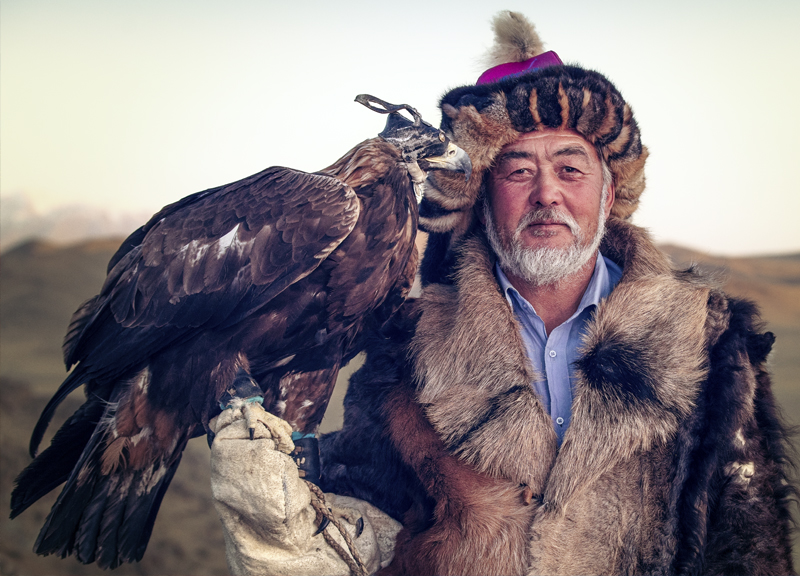
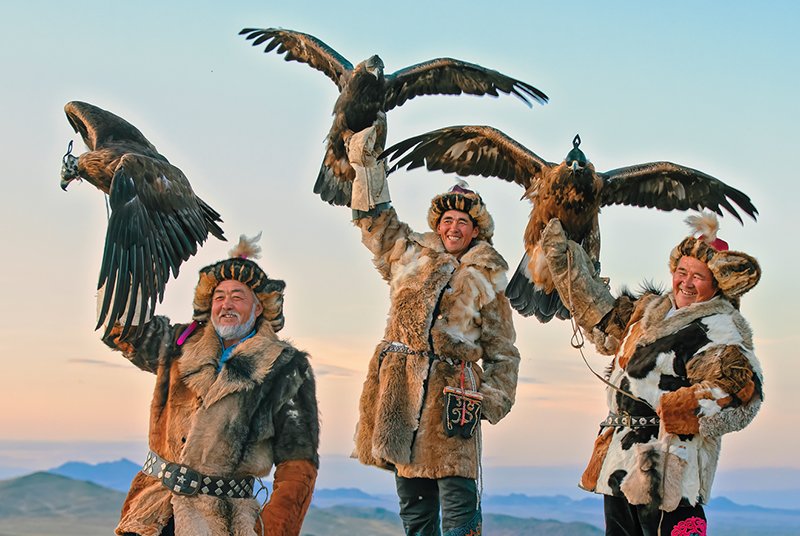
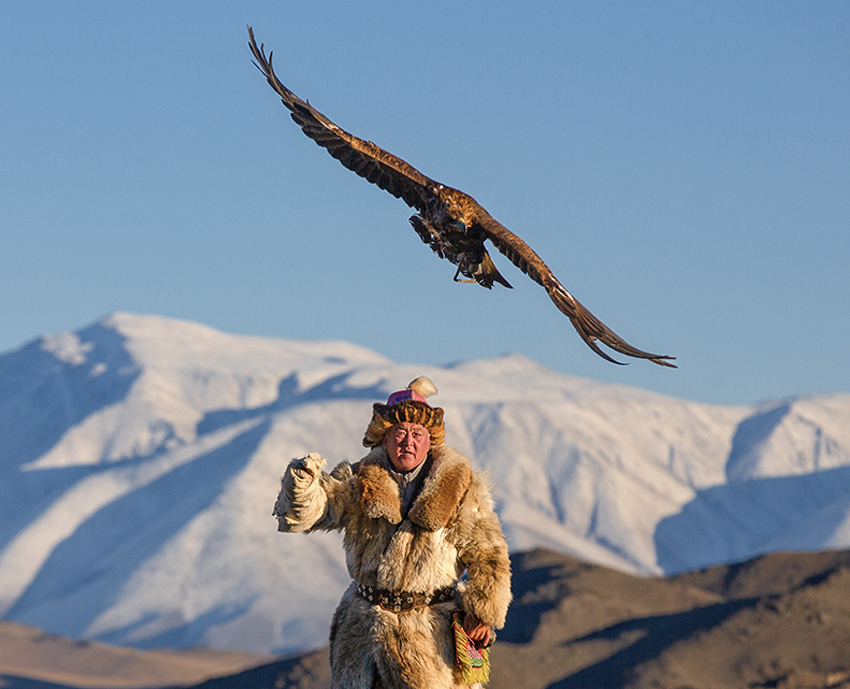
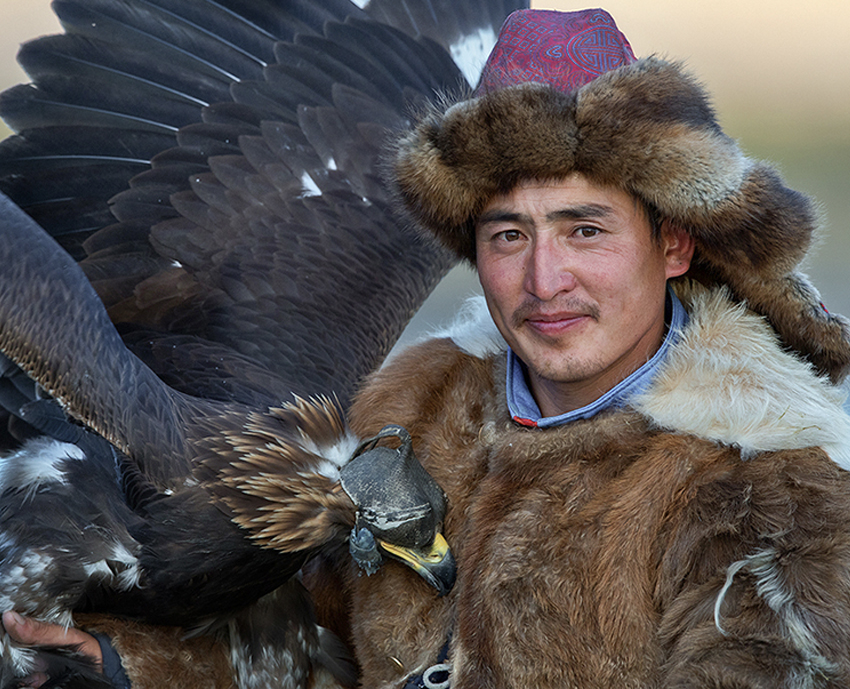
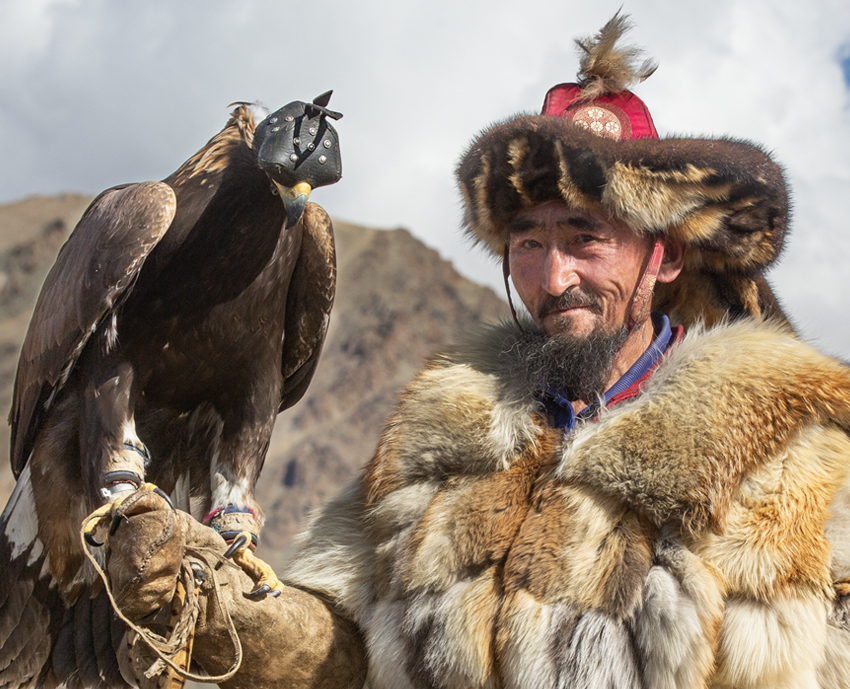
Chaimurat lives much of the year between the mountains, his horses, his family, and his eagles.
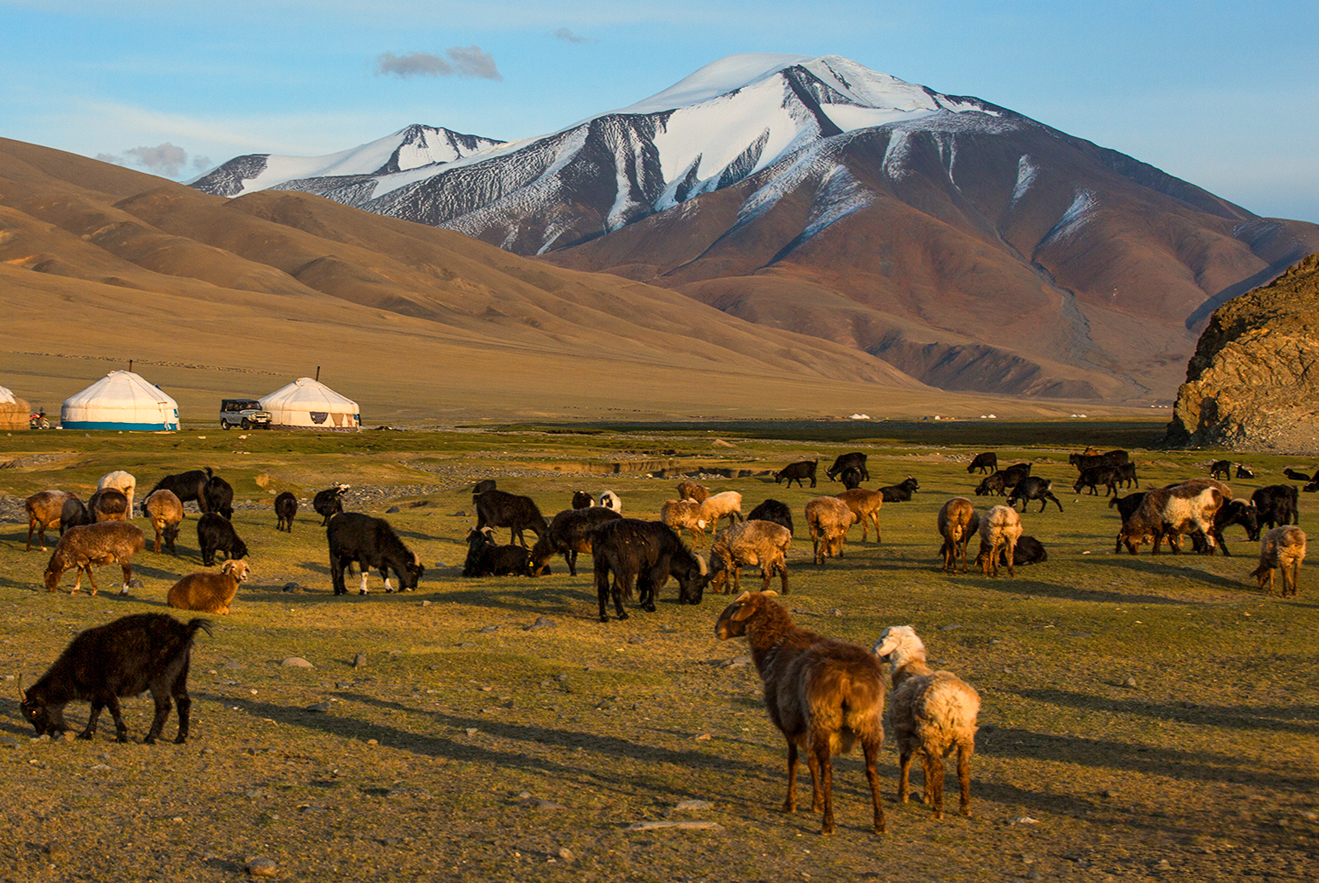
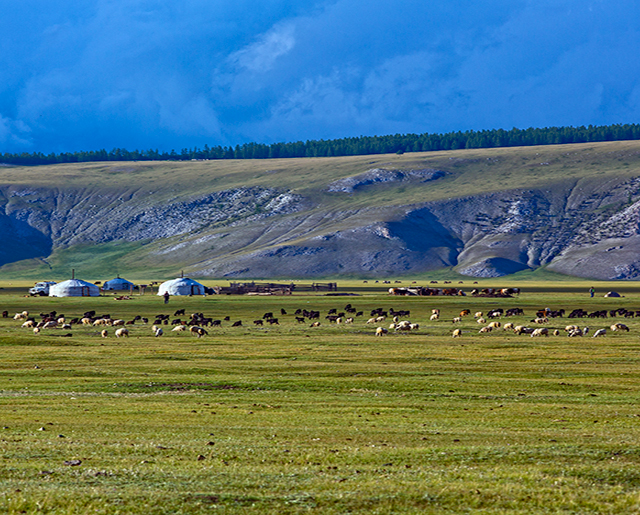
During the summer months, his family moves to their camp beneath the northwestern slopes of the Tsambagarav Mountains. Horses graze across the valley, livestock spread across the pastures, and visitors arrive throughout the season. Some come to meet a well-known eagle hunter. Others come because they have heard about the family's hospitality. Photographers, travelers, researchers, neighbors, and relatives all find their way there. Some stay for a single night, while others remain for several days.
For Chaimurat, this rhythm is familiar. It has shaped most of his life.
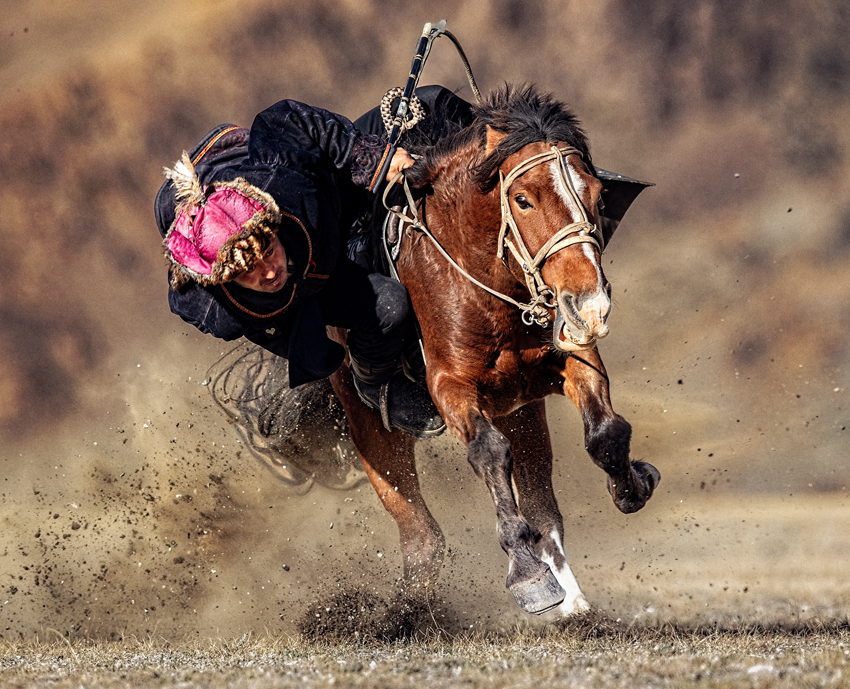
Like many men of his generation, he has spent much of his life around horses. Summer is when he prepares racehorses for local Naadam festivals, continuing traditions that remain an important part of life in western Mongolia.
Only after spending time with the family do many visitors begin to learn more about the man himself. The person pouring tea beside the hearth is also a former wrestler, a horse trainer, and one of the most respected eagle hunters in the region.
LIFE AT THE CAMP
Visitors who stay with the family quickly discover that eagle hunting is only one part of life here.
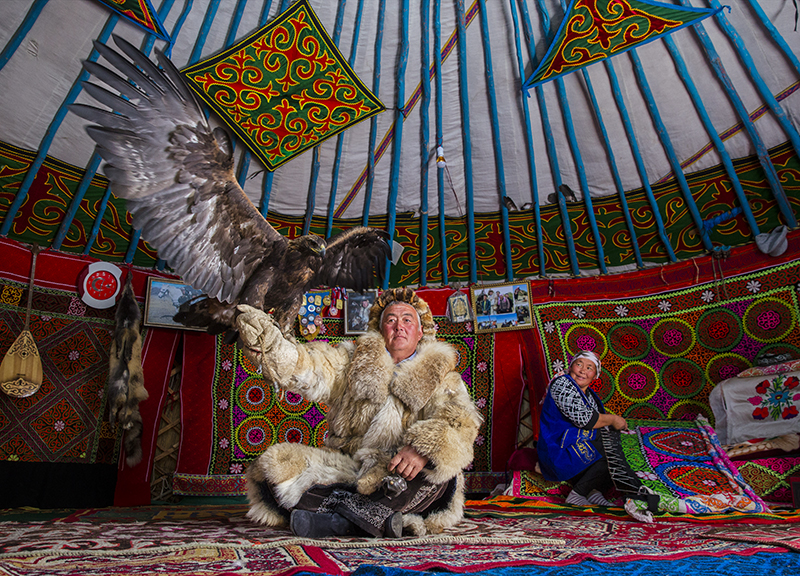
Tea is prepared throughout the day and bowls of rich Kazakh milk tea are constantly refilled. Beshbarmak and other traditional dishes are often prepared when guests arrive from far away.
While visitors sit together and talk, the work of the household continues around them. Livestock are cared for, meals are prepared, and sewing and embroidery are carried out alongside everyday responsibilities.
Chaimurat’s wife plays a central role in welcoming guests and managing the daily life of the household. Many visitors leave remembering the warmth of the family just as much as they remember the eagles.
EVENINGS IN THE ALTAI
As evening arrives, conversation often continues over tea. Stories are shared, neighbors stop by, and another day slowly comes to an end beneath the mountains.
Sometimes Chaimurat takes out his dombra and plays traditional Kazakh melodies. Family members gather together, visitors listen quietly, and the sound of the instrument carries across the valley.
These simple moments remain some of the strongest memories for people who stay with the family.
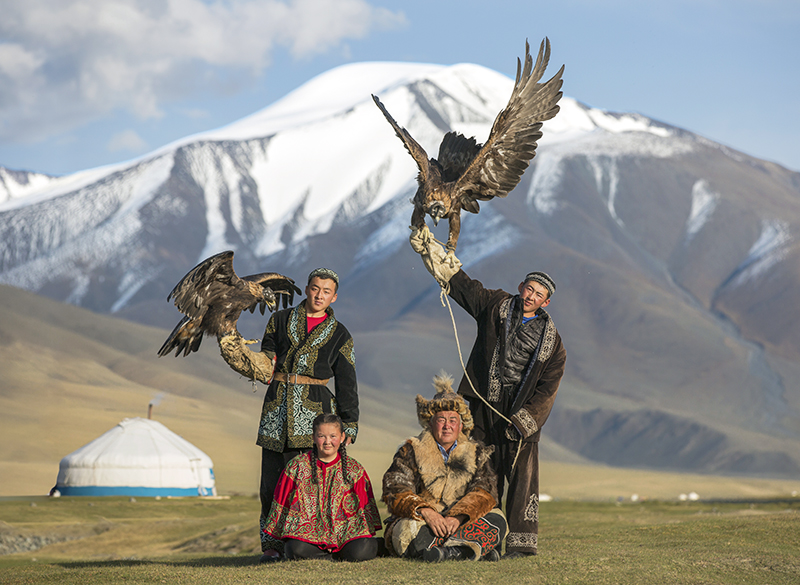
THE EAGLE HUNTER
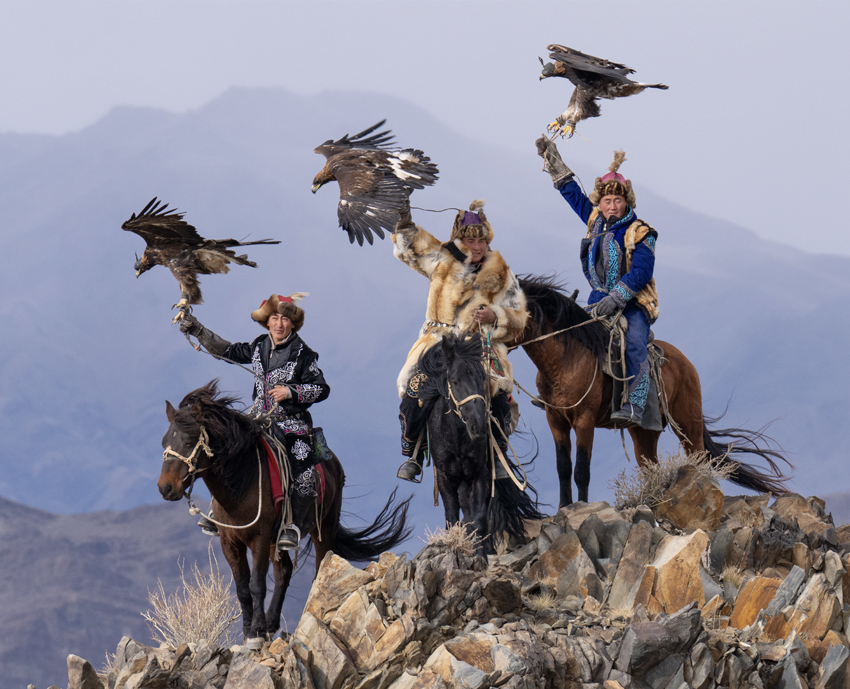
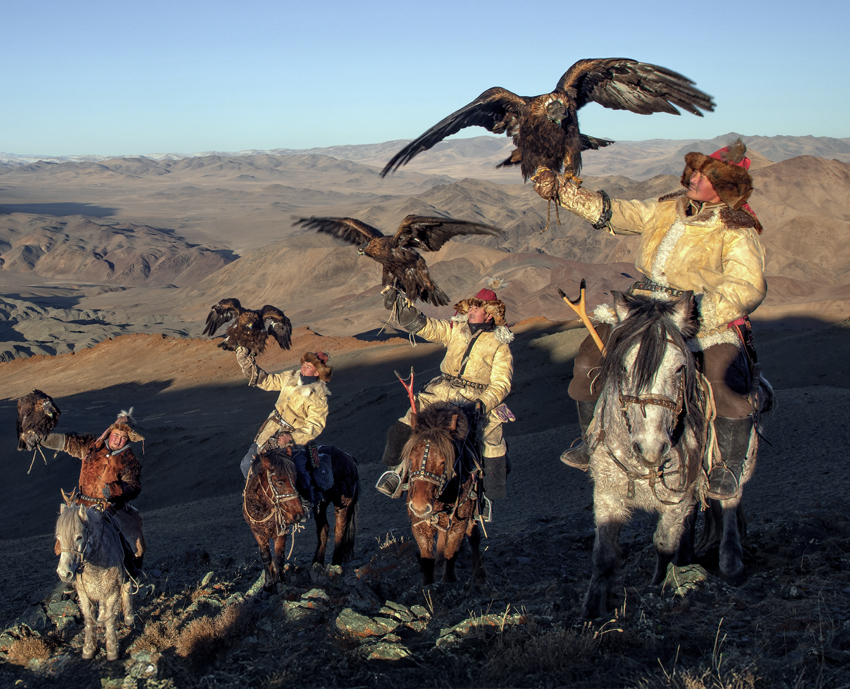
As autumn approaches, attention gradually turns toward the coming hunting season. Eagles are trained and conditioned. Horses are prepared for long days in the mountains. Winter work begins long before the first snow arrives.
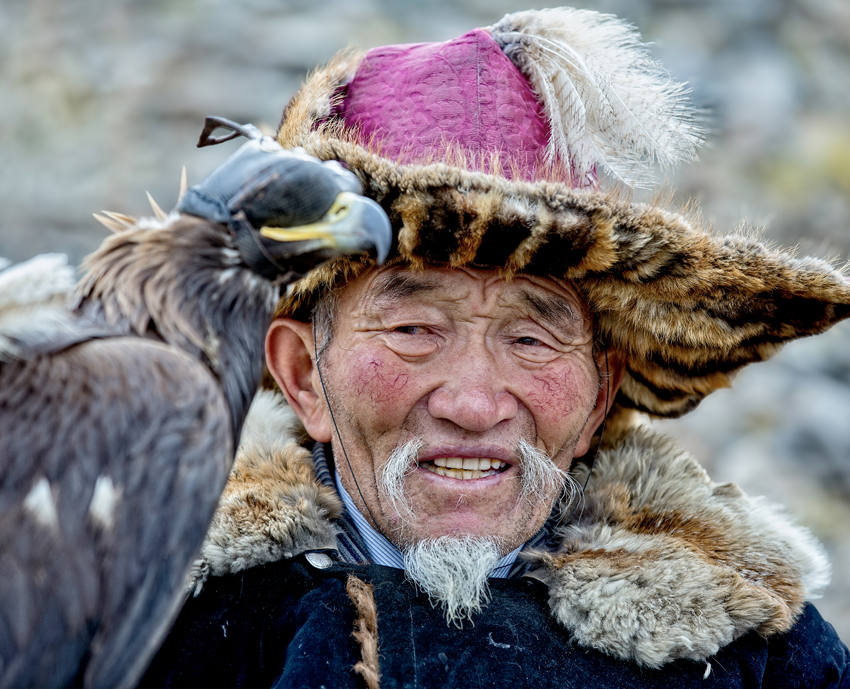
Chaimurat learned eagle hunting from his father and uncle and has spent decades hunting in the Altai Mountains. Over the years he has participated in many eagle festivals and won numerous championships.
Yet when he speaks about eagle hunting, he usually talks about the birds themselves rather than the competitions.
“Every eagle is different,” he says.
Some learn quickly. Some require patience. Some become excellent hunting birds while others never fully develop the necessary skills. Understanding these differences comes through years of experience.
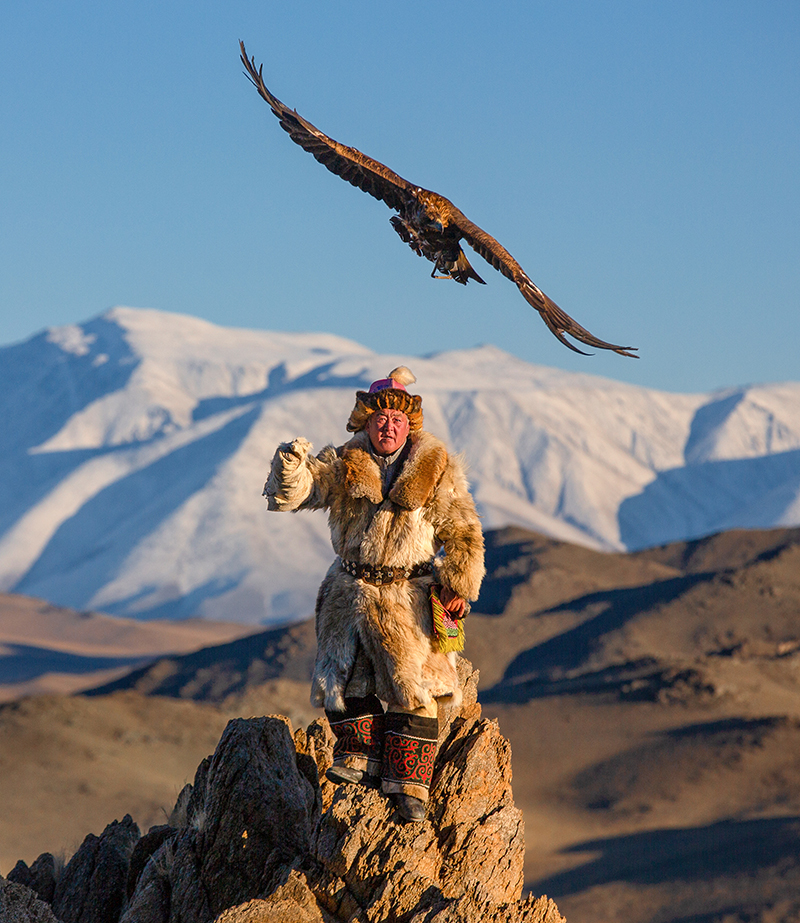
RETURNING AN EAGLE TO THE MOUNTAINS
Over the years, Chaimurat has trained many eagles. Some remained with him for only a short time while others stayed for several years.
For Chaimurat, keeping a successful eagle forever has never been the goal. A strong eagle should eventually return to the mountains and leave offspring in the wild.
One of his most successful eagles won several championships before being released. When the time came, Chaimurat invited friends and neighbors, prepared a feast, and spent several days feeding the bird before returning it to the mountains.
It is a story he still remembers well.
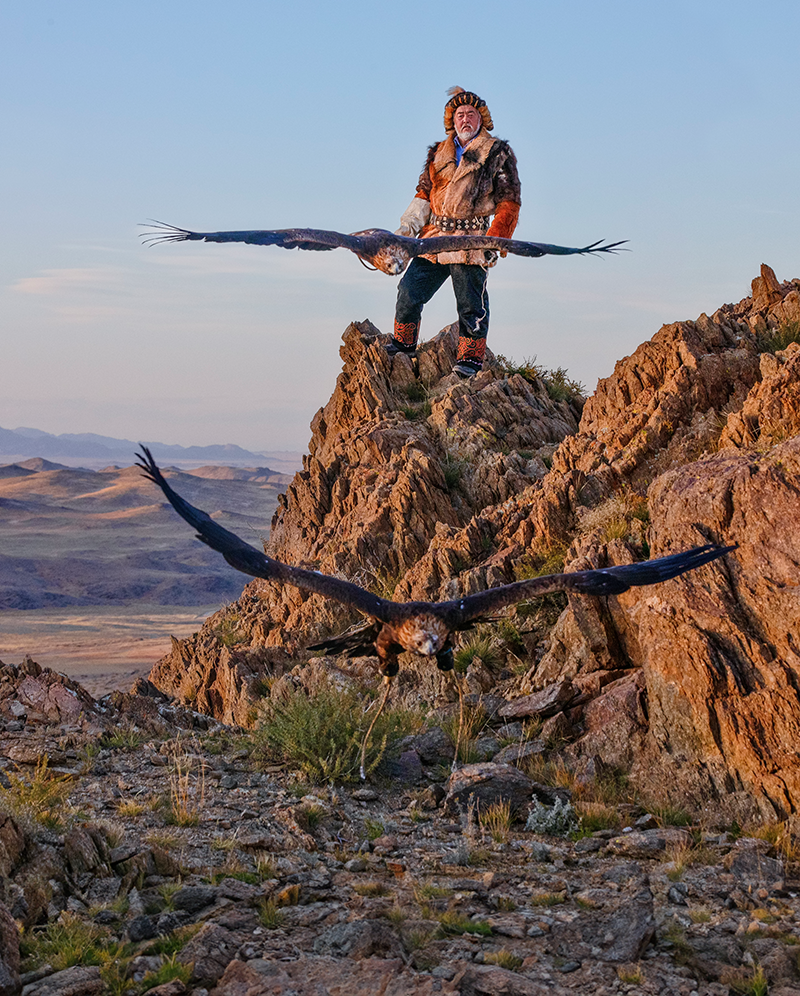
Over the years, Chaimurat has trained many eagles. Some remained with him for only a short time while others stayed for several years.
For Chaimurat, keeping a successful eagle forever has never been the goal. A strong eagle should eventually return to the mountains and leave offspring in the wild.
One of his most successful eagles won several championships before being released. When the time came, Chaimurat invited friends and neighbors, prepared a feast, and spent several days feeding the bird before returning it to the mountains.
It is a story he still remembers well.
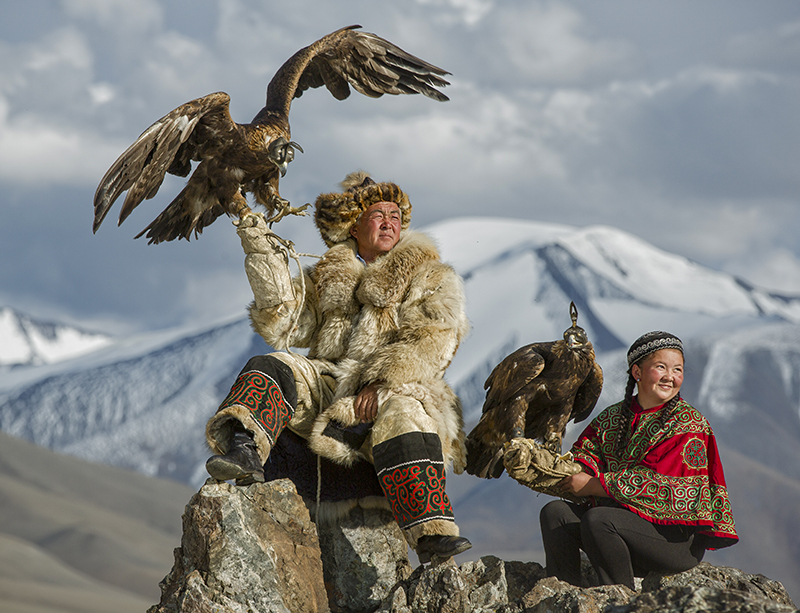
Much has changed in the Altai during Chaimurat’s lifetime. Roads have improved, tourism has grown, and younger generations increasingly leave for schools and jobs in larger towns and cities.
Yet the yearly rhythm of life continues.
Summer brings horses and visitors.
Autumn brings preparation.
Winter brings eagle hunting.
Spring brings newborn livestock and the beginning of another year.
When asked what eagles mean to him after so many years, Chaimurat smiles before answering:
“I cannot imagine life without eagles. Sitting and watching an eagle brings happiness.”
For visitors, meeting Chaimurat offers an opportunity to understand not only eagle hunting, but also the families, traditions, and everyday life that continue to shape the Altai today.
Visit Mongolian Photos


Latest Blogs


Most Read Blogs


Useful Travel Tips

Blog Archive
Related Tours


